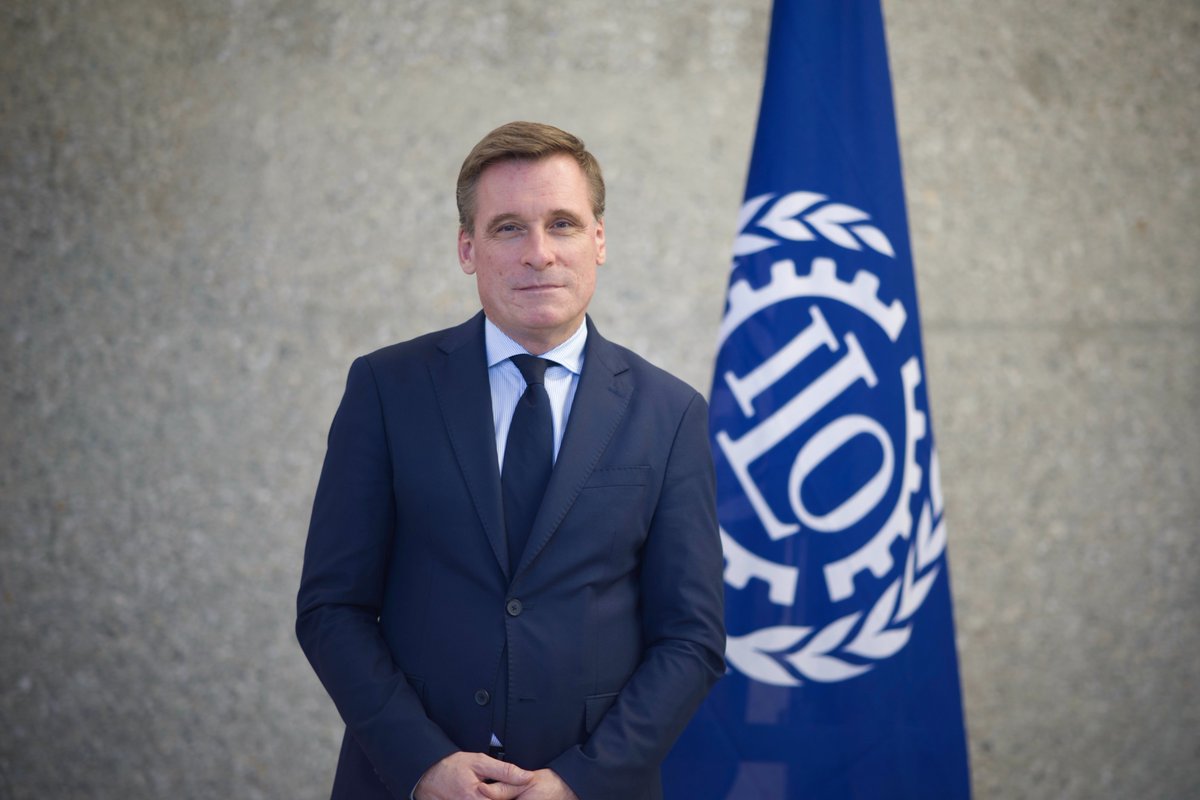
Workers’ rights are coming under increasing pressure as technological disruption, climate-related shocks, and the expansion of informal work continue to reshape labour markets across the world, the International Labour Organization’s (ILO) Bureau for Workers’ Activities has warned.
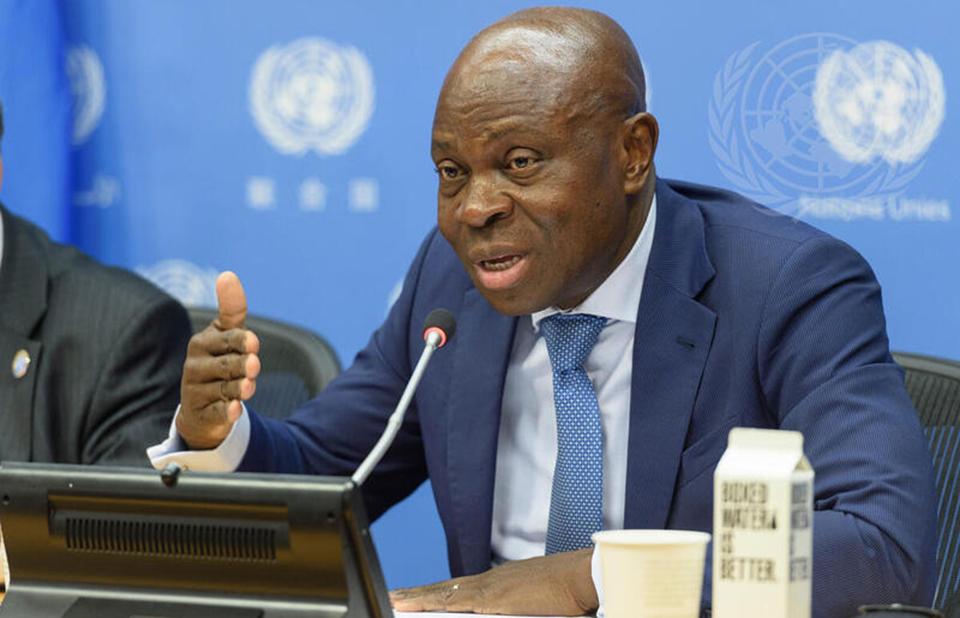
Director Oliver Röpke, who heads the Bureau for Workers’ Activities, said trade unions must move beyond simply reacting to change and instead play a more active role in shaping the future of work.
Röpke made the remarks during a presentation titled, “Trade Unions in Transformation: Navigating Disruption and Shaping the Future of Work.”
“If disruption has become the new normal, then the capacity to navigate disruption must also become the new normal,” he said.
According to him, trade unions now operate in an environment where complexity and uncertainty are no longer occasional challenges, but defining features of modern work. He noted that the key question facing workers and their organisations is how best to anticipate and steer change.
Röpke stressed the need for unions to strengthen their foresight capabilities and their capacity to act.
“We already see collective bargaining addressing technological change and climate transition, but the full potential of social dialogue is still far from being realised,” he said.
He maintained that the foundations for effective social dialogue remain freedom of association and the right to collective bargaining.
“Its foundations are clear: freedom of association and the right to collective bargaining. These are fundamental rights.
“They are also enabling rights. Without them, trade unions cannot organise, represent workers, or engage effectively in social dialogue,” he said.
Röpke warned that these rights are increasingly under threat in many countries, particularly for vulnerable categories of workers.
“Too many workers, often those in the most vulnerable situations, still lack real access to them. If social dialogue is to remain relevant, freedom of association and the right to collective bargaining must become a reality for workers in emerging sectors, in the informal economy, in supply chains, and for migrant workers,” he said.
He added that the Bureau for Workers’ Activities remains committed to supporting unions in developing innovative approaches and strengthening their role as advocates for workers’ rights and social justice.