
The Nigeria Labour Congress (NLC) and the International Labour Organisation (ILO) have called for workers to be given a formal role in the next phase of global climate negotiations, including SB64 in Bonn and COP31 in Antalya, warning that excluding labour voices could deepen inequality during the transition to a green economy.
The demand was made during the Post-COP30 and Pre-SB64 Tripartite Review Meeting held in Keffi, Nasarawa State.
SB64 is scheduled to hold from 8 to 18 June 2026 at the World Conference Centre in Bonn, Germany, while COP31 will take place in Antalya, Türkiye, from 9 to 20 November 2026.
Speaking at the meeting, Ms. Inviolata Chinyangarara, Senior Specialist for Workers’ Activities at the ILO Abuja office, said climate change had evolved beyond an environmental concern and now directly affects employment and labour markets.
“Climate change is no longer a distant environmental concern; it is a labour market reality,” she said.
Chinyangarara added that the ILO would continue to support Nigeria through technical assistance and policy guidance to ensure labour concerns remain central to climate action and transition planning.
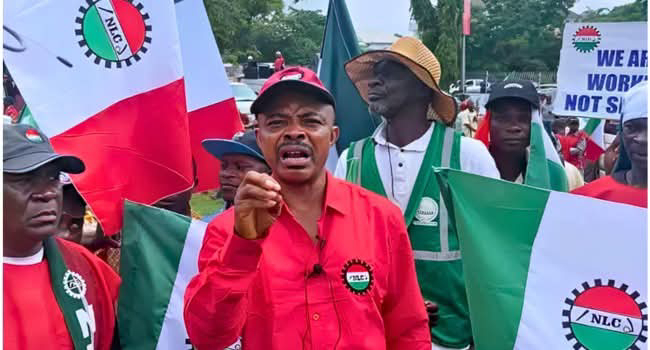
For the NLC, however, worker participation in climate governance must extend beyond consultation.
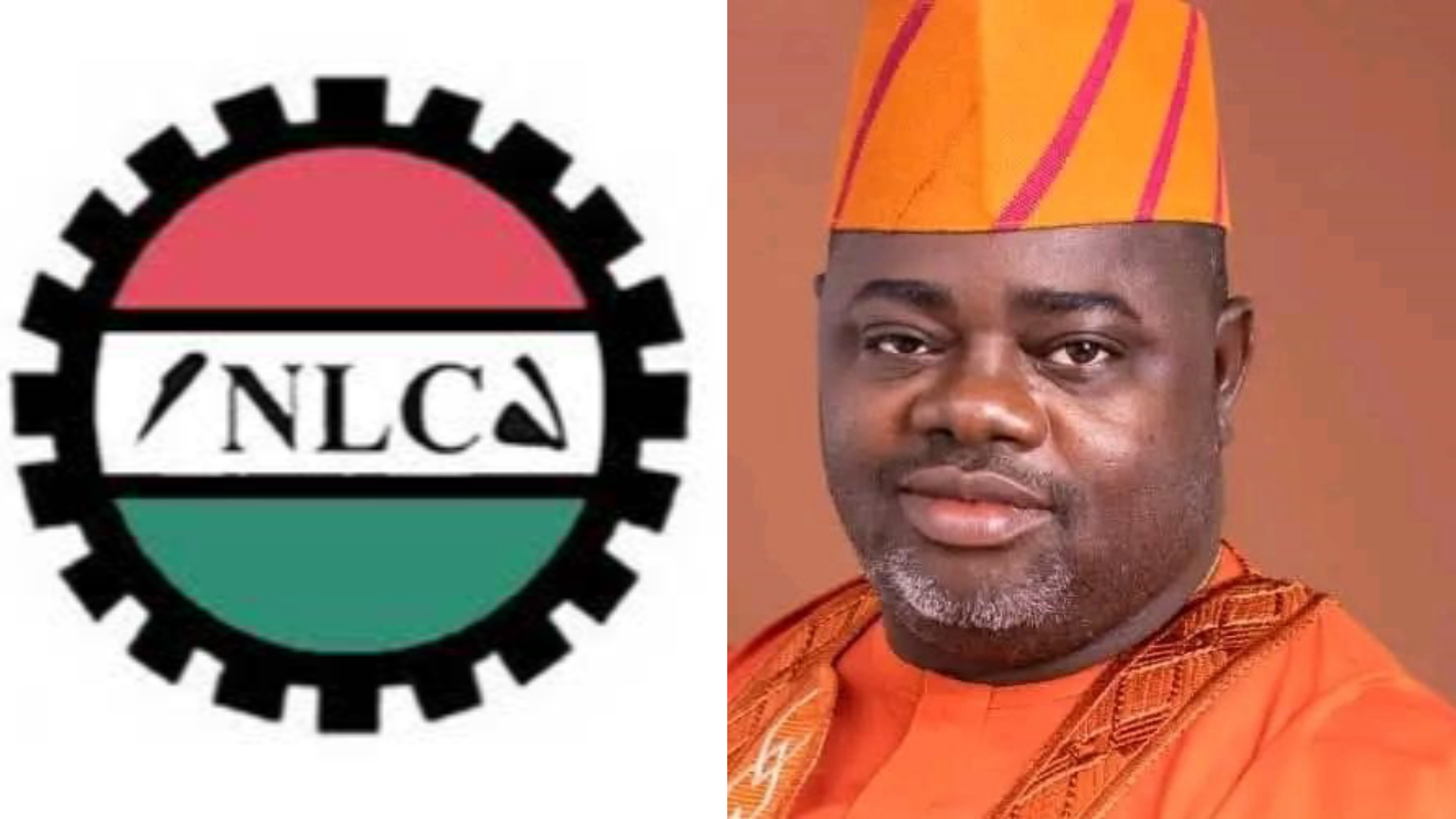
“We demand that trade unions assume an active stakeholder role in the Just Transition Mechanism, particularly through holding formal decision-making power,” said Comrade Emmanuel Ugboaja in a statement delivered on his behalf by Comrade Eche Asuzu.
Ugboaja welcomed the adoption of the Belém Action Mechanism (BAM) as the Just Transition Mechanism at COP30, describing it as a significant achievement for trade unions globally.
“Unlike previous COPs, trade unions are pleased that our core demands at COP30 were realised, particularly with the institutionalisation of the BAM as the Just Transition Mechanism,” he stated.
He stressed that the mechanism would only succeed if workers were granted meaningful decision-making authority within the framework.
As preparations for SB64 intensify, the NLC and ILO said ongoing discussions around climate finance, adaptation, loss and damage, and the operationalisation of the Just Transition Mechanism must produce tangible benefits for workers and vulnerable communities.
“The green future must work for workers to succeed,” Ugboaja stated.
Chinyangarara also noted that achieving a just transition would require deliberate negotiation and sustained cooperation among key stakeholders.
“A just transition cannot happen by chance; it must be intentionally negotiated and implemented through effective social dialogue among governments, employers, and workers,” she said.