
The Federal Civil Service Commission (FCSC) has urged participating states to embrace reforms that will improve efficiency, integrity and accountability in the civil service, including better recruitment, promotion and personnel management processes.
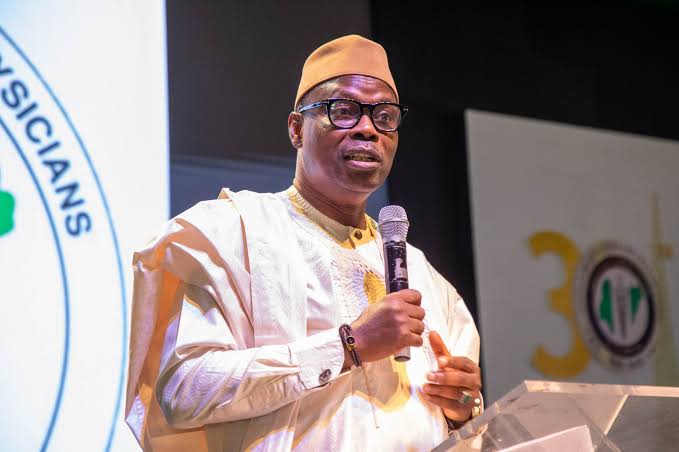
Mr Dahiru Lawal, Director, Office of the Permanent Secretary of the Commission, made the call on Monday at the 45th Annual Conference of Civil Service Commissions of the Federation in Asaba, Delta State. He said the reforms were necessary to build a professional and future-ready public service capable of meeting citizens’ growing expectations.
Speaking at the conference, Lawal said citizens increasingly expected public institutions to be responsive, accessible, efficient, fair and accountable.
He noted that Nigerians wanted less cumbersome government processes, timely decisions, credible recruitment and promotion exercises, and responsible management of public resources.
According to him, meeting these expectations required a civil service that could respond to present challenges while preparing for future demands.
“A future-ready civil service must be professional, competent, ethical, adaptable and results-oriented.
“It must possess the capacity to embrace innovation while preserving the core values of impartiality, continuity, discipline, integrity and service to the public,” he said.
Lawal said civil service commissions played an important role in determining the quality, composition, professionalism and performance of the workforce responsible for implementing government policies and programmes.
He added that their responsibilities went beyond routine personnel administration, as they also had a duty to help build a public service capable of meeting Nigerians’ expectations and supporting sustainable national development.
The FCSC director urged the commissions to regularly review recruitment, appointment, confirmation, promotion, disciplinary and record-keeping processes to identify unnecessary delays, inconsistencies and areas requiring improvement.
He also called for the adoption of digital platforms to support secure personnel databases, electronic document management, timely processing of applications and decisions, and effective monitoring of personnel activities.
However, he stressed that such reforms must be supported by safeguards for data protection, cybersecurity, record integrity and accountability.
Lawal noted that introducing new technologies and revised procedures would produce limited results without equipping officers with the skills, motivation and institutional support needed to use them effectively.
He therefore stressed the need to invest in capacity development, leadership, change management and continuous improvement of work processes.
Also speaking, Mr Frederick Yoro, Permanent Secretary of the Delta State Civil Service Commission, said the Nigerian public service continued to face criticism over inefficiency, weak accountability, poor service delivery and declining performance.
Yoro said these challenges had raised concerns about the need to transform the public service into a merit-based, efficient and professional institution.
He explained that institutional re-engineering, reputation management and culture change were important to modernising the civil service, requiring outdated structures, systems and technologies to be reviewed and aligned with modern public management practices.
He also stressed the need for reputation management to rebuild institutional trust and improve public perception of the civil service, which had been affected by allegations of corruption, low capacity and poor responsiveness.
On workplace culture, Yoro said changing individual mindsets and institutional practices was necessary to promote a work environment guided by strong values.
“Building a future-ready civil service will not happen through isolated reforms. It requires our collective leadership, institutional commitment, political will, professional competence and sustained investment in people and systems,” he said.
The conference was attended by the Chairman of the Federal Civil Service Commission, Prof. Tunji Olaopa, and the Chairman of the Delta State Civil Service Commission, Mrs Roseline Amioku.
It brought together federal and state civil service commissioners, as well as chairmen of civil service commissions from the 36 states and the Federal Capital Territory (FCT).