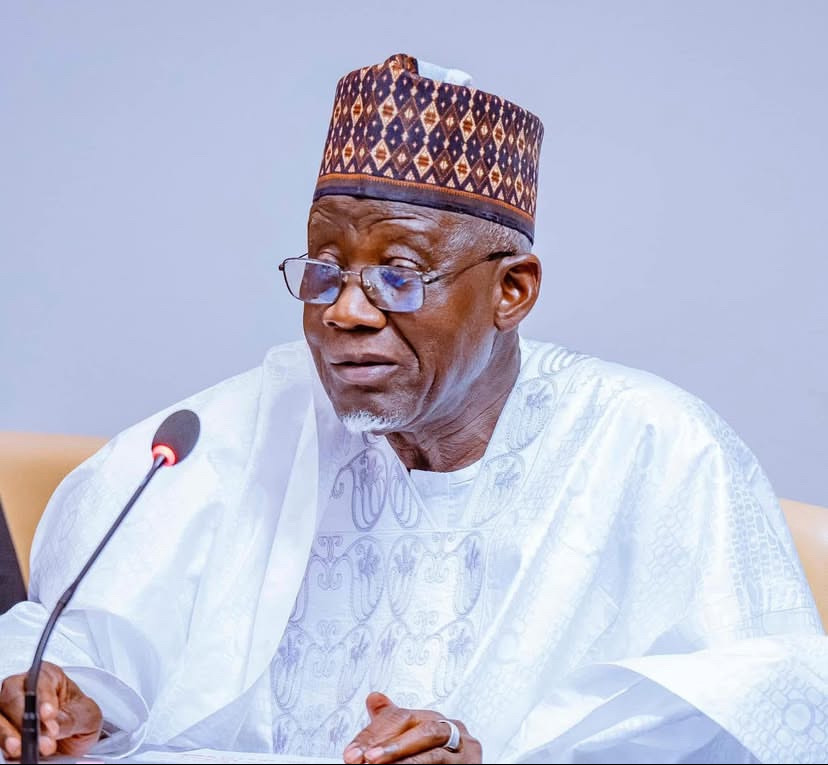
Alhaji Muhammad Dingyadi
The Federal Government has reaffirmed its commitment to prioritising skills development as a cornerstone of its strategy for job creation, economic growth, and enhanced national competitiveness, against the backdrop of rapid shifts in the global labour market.
The Minister of Labour and Employment, Dr Muhammed Dingyadi, made the pledge on Wednesday at the 2026 World Youth Skills Day celebration in Abuja. The event, organised by the International Labour Organisation (ILO) in partnership with its tripartite constituents, the Federal Ministry of Youth Development, and youth-focused organisations, was held under the theme “Skills for a Shared Future.”
Represented by the Director of Skills Development and Certification, Dr. Tiza Shaakaa, Dingyadi underscored that sustained investment in youth skills is critical to building an inclusive, productive, and sustainable economy.
“The future we seek as a nation and global community can only be realised through deliberate investment in the skills, talents, creativity, and productive capacities of our young people,” he said.
The Minister noted that technological advancement, digitalisation, artificial intelligence, automation, and climate change are fundamentally reshaping labour markets, making it imperative for young Nigerians to acquire digital, green, and entrepreneurial competencies.
He added that the revised National Employment Policy, alongside strengthened Job Centres and Migrant Resource Centres, would improve career guidance, facilitate employment creation, and expand access to labour market opportunities.
“Skills development must be linked to employment outcomes. Training programmes should not operate in isolation from industry needs,” Dingyadi said.
He also urged employers to deepen investments in apprenticeships, internships, and workplace learning, while encouraging greater youth participation in the design and implementation of employment policies.
“Young people are not merely beneficiaries of employment policies; they are critical stakeholders whose voices, experiences, and innovative ideas must inform policy design and implementation,” he added.
Also addressing the gathering, the President of the Nigeria Labour Congress (NLC), Joe Ajaero, said equipping young people with relevant skills was essential for promoting decent work, social justice, and shared prosperity.
Represented by the NLC Youth Chairperson, Martha John, Ajaero stressed, however, that skills development alone would not solve unemployment without deliberate job-creation measures.
“Skills development is not merely about training. It is about creating pathways to decent work, social justice, and shared prosperity,” he said.
Ajaero called on governments at all levels to create more employment opportunities for young people, while increasing investment in digital skills, entrepreneurship, innovation, and green jobs.
“Skills alone are insufficient without employment opportunities. Governments at all levels must deliberately create jobs for young people,” he added.
The Director-General of the Nigeria Employers’ Consultative Association (NECA), Adewale-Smatt Oyerinde, reaffirmed employers’ commitment to preparing young Nigerians for the future of work through expanded technical, vocational, and digital skills development initiatives.
Represented by NECA Liaison Officer in Abuja, Jennifer Yelwa, Oyerinde noted that the association had strengthened partnerships to equip young people with competencies required in emerging sectors.
He highlighted that NECA had introduced environmental, social, and governance (ESG) initiatives and supported youth training in areas such as virtual reality, 3D animation, and data analytics, with the aim of improving employability and competitiveness.
“Climate action should not only protect the environment, but also create decent jobs, strengthen enterprises, and ensure workers and businesses are adequately prepared for change,” Oyerinde said.
He reaffirmed NECA’s commitment to collaborating with government, workers’ organisations, development partners, and educational institutions to promote lifelong learning and expand employment opportunities for Nigerian youths.