Nigerian workers have taken their concerns over alleged violations of trade union rights to the International LabourOrganization (ILO), with the Nigeria Labour Congress (NLC) accusing authorities at various levels of persistent interference, intimidation, and violence aimed at undermining collective bargaining and freedom of association.
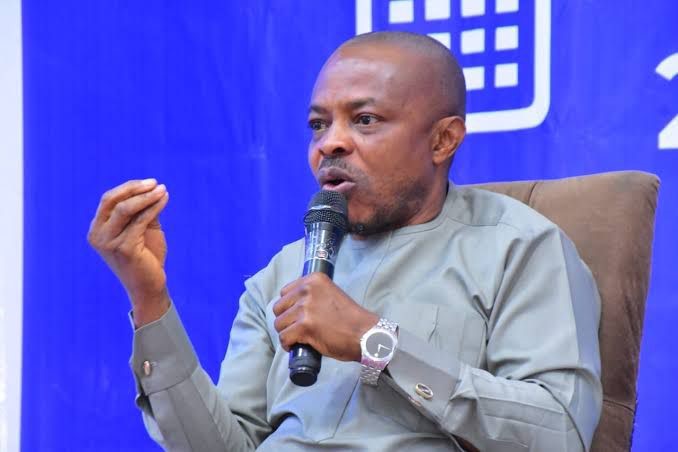
Addressing the Committee on the Application of Standards during the 114th International Labour Conference in Geneva, Switzerland, President of the Nigeria Labour Congress, Comrade Joe Ajaero, said workers across the country continue to face violations of the Right to Organise and Collective Bargaining Convention, 1949 (No. 98).
“We appear before this Committee because workers and their organizations in Nigeria continue to face persistent violations of the Right to Organise and Collective Bargaining Convention, 1949 (No. 98),” Ajaero said.
According to him, the alleged violations represent a systematic attempt to weaken organised labour and silence workers seeking to exercise their rights.
Ajaero recalled the attack on him in Imo State in November 2023 while pressing for the implementation of a 2021 wage agreement, noting that no individual had been prosecuted over the incident.
He further alleged that similar tactics had been employed to intimidate union leaders in Osun, Edo, Rivers, and Lagos states.
“Trade union leaders in Osun State were shown gory pictures of my beaten and bleeding body by agents of the state as what will befall them to dissuade them from embarking on legitimate trade union action,” he said.
The NLC President also told the committee that the union’s secretariat in Edo State was allegedly seized by government agents in December 2024 and remains under occupation.
He further alleged that security agencies prevented the inauguration of duly elected NLC leaders in the state in August 2025, resulting in what he described as a leadership structure imposed by the government.
“As it is today, NLC in Edo State is a clone of the Governor, so the government negotiates with itself instead of the legitimate leadership of NLC,” he said.
“The issue before this Committee is not merely one of labourrelations. It concerns the fundamental right of workers to organise freely, choose their representatives independently, and bargain collectively without fear, interference or violence.”
Warning that the situation could worsen if left unchecked, Ajaero said the challenges confronting organised labour had spread across several states.
“What is happening in Nigeria is a cancer that has become malignant with pustules everywhere. In Edo, Rivers and Lagos, and it is growing,” he said.
The NLC urged the ILO and the international community to pay closer attention to developments in Nigeria, insisting that the protection of workers’ rights and the independence of trade unions remain fundamental to industrial harmony and democratic governance.