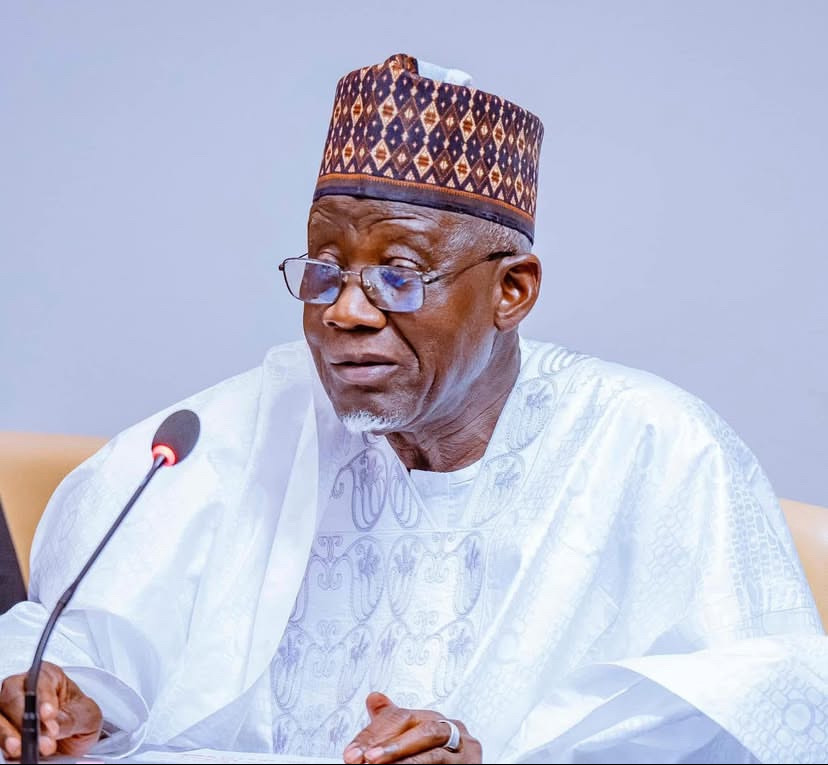
Alhaji Muhammad Dingyadi
The Federal Government has launched Phase II of the International Labour Organization (ILO) Social Dimension of Ecological Transition Project, with a renewed focus on creating thousands of decent, low-carbon jobs for Nigerians between 2025 and 2029.
The project, funded by the French Government through the ILO’s technical cooperation programme, was unveiled on Thursday at the United Nations House in Abuja.
It brings together government institutions, employers, workers’ organisations, and climate experts to advance Nigeria’s just transition agenda by aligning climate action with employment creation and inclusive economic growth.
Minister of Labour and Employment, Dr. Muhammad Dingyadi, said the renewed partnership marks a shift from policy formulation to practical implementation aimed at expanding employment opportunities.
“This gathering comes at an important moment as Nigeria deepens its commitment to climate action in a manner that advances decent work, social justice, sustainable enterprise development, and inclusive growth,” he said.
According to Dr. Dingyadi, the second phase of the project will directly support livelihoods and enterprises across the country.
“The renewal of this programme from 2025 to 2029 is an opportunity to move from policy commitment to implementation and to turn shared aspiration into measurable progress for workers, employers, and communities,” he stated.
The minister stressed that the success of the initiative would ultimately be measured by its impact on employment and livelihoods.
“The real test is implementation. Commitments must become investments, policies must become programmes, and programmesmust produce results that citizens can see and feel,” Dingyadi said.
Launching the new phase of the initiative, the minister urged stakeholders to work collaboratively towards achieving the project’s objectives.
“As we launch Phase II of the Social Dimension of Ecological Transition Project, let us proceed with confidence, cooperation, and patriotism.
“Let us work together to ensure that Nigeria’s climate commitments deliver decent jobs, stronger enterprises, resilient communities, social justice, and renewed hope for all Nigerians,” he added.