The Federal Government has launched the “Hire From Nigeria” campaign to connect skilled Nigerian workers with employment opportunities in the global labour market without requiring them to leave the country.
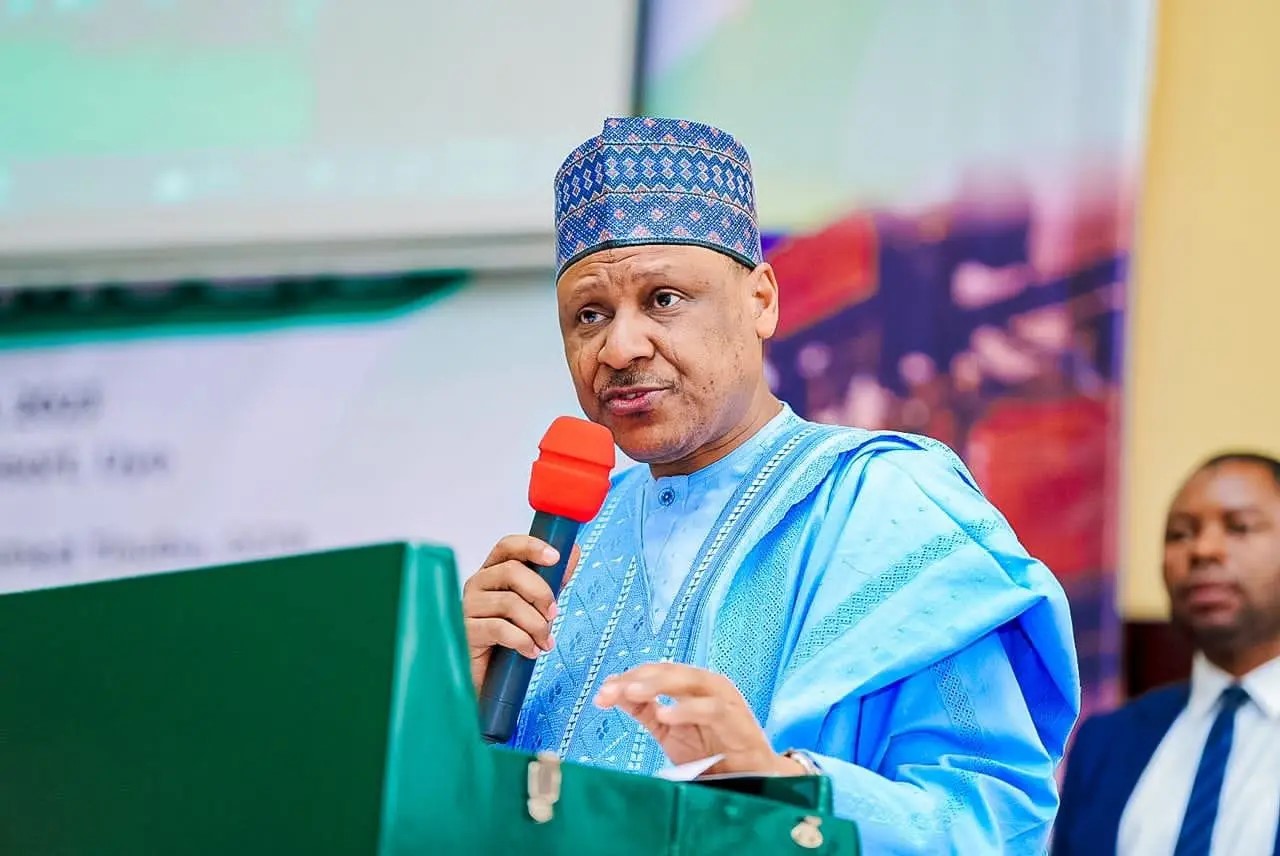
Mohammed Idris, Minister of Information and National Orientation, launched the campaign on Monday in Abuja, saying it was part of efforts to create jobs by positioning Nigeria’s skilled workforce for international employment.
Idris said the initiative would enable Nigerians with the right skills and professional standards to work remotely for international employers and clients while living in Nigeria.
“With the right skills, infrastructure, professional standards, and access to markets, Nigerians can live and work and earn here at home, while providing valuable services to clients and employers worldwide,” he said.
The minister said the government’s strategy to make Nigeria a major hub for talent and services exports had an ambition of creating one million export-linked jobs within five years.
He said the “Hire From Nigeria” campaign would serve as a platform for communicating directly with international employers and businesses about the availability and quality of Nigerian talent.
According to Idris, the campaign would also encourage young Nigerians to view the global labour market as accessible regardless of geographical location.
He said the future of Nigeria’s economy would increasingly depend on the skills, creativity and productivity of its workforce.
Alausa said the campaign was structured around three areas: demand, supply and partnerships.
He said global demand for skilled workers was already significant, particularly in technology-related fields, with 2025 UNESCO data indicating about 2.3 million vacancies across seven technology-related job areas.
The minister identified software development and development methodologies, cybersecurity, artificial intelligence and machine learning, natural language processing, cloud computing and IT automation among areas with available global vacancies.
He said the government was working to ensure Nigerian youths acquired the skills and certifications required to compete for those jobs.
Alausa said 35,000 Nigerians would be trained over six months under the Digital Technology Academy, with the government funding international certifications through platforms and institutions including Coursera, AWS, Microsoft and Huawei.
He added that the training was part of the government’s broader efforts, including the 3 Million Technical Talent programme, to build a workforce capable of competing in the international labour market.
“We want to ensure that our youths are industry-relevant, globally competitive and capable of securing and retaining jobs in the international labour market,” Alausa said.
The minister said the initiative was particularly important because Nigeria faced shortages of skilled workers in some sectors, including fintech, despite having a large population of unemployed graduates.
He said the campaign would therefore help bridge the gap between unemployed Nigerians with academic qualifications and international demand for specialised skills.
Oduwole said the initiative would expand Nigeria’s participation in the global services economy by enabling skills, knowledge and professional services to be exported digitally.
She described the campaign as a public-private collaboration involving the Federal Ministries of Industry, Trade and Investment and Education, the National Talent Export Programme, the Bank of Industry’s iDICE programme and private-sector partners.
Oduwole said the objective was to position Nigeria as a preferred global source of skilled talent and digitally delivered services.
Idris said achieving the employment target would require collaboration among government, the private sector, training institutions, technology companies and young professionals.
He said the government would continue working to strengthen the connection between Nigerian workers and international employers as part of efforts to expand employment opportunities and integrate the country’s workforce into the global economy.