
The exit of Uber from Nigeria after 12 years has pushed ride-hailing workers into fresh uncertainty, but inDrive says it is investing heavily to retain its drivers and protect their livelihoods.
The company disclosed it spent ₦1bn on drivers’ welfare in the last one year, at a time when rising fuel costs, maintenance bills and competition are squeezing earnings for transport workers.
The country representative of inDrive, Oladimeji Timothy, said the fund went into health support and other welfare packages for drivers who power the platform.
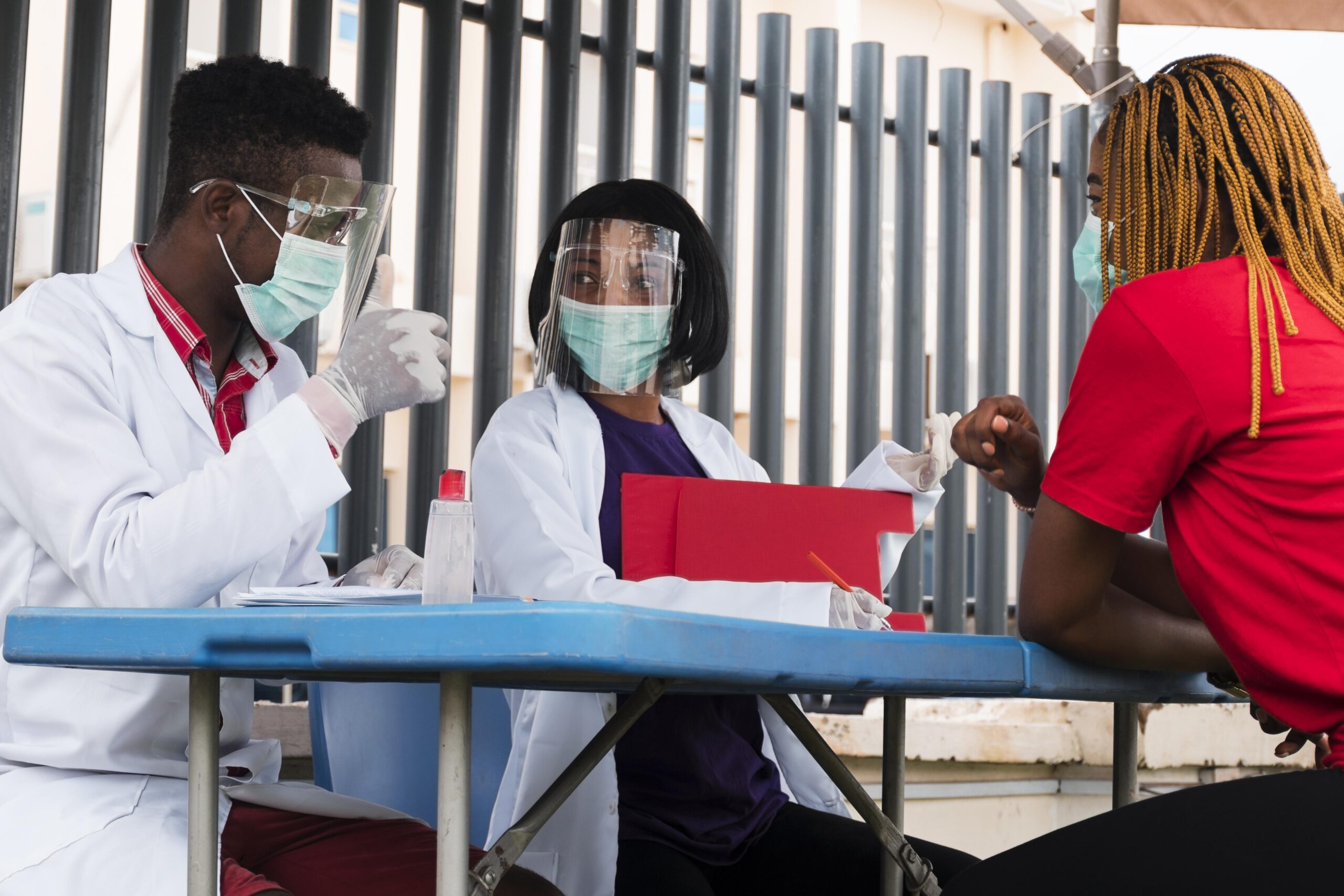
“Last year, we invested 1 billion naira in driver welfare, including health care, school fees for drivers’ children, vacation for drivers, fuel vouchers, health checks, seasonal gifts during Ramadan and Christmas, and so on,” Timothy said.
“We will continue investing in driver welfare to ensure the engine that keeps the business going is well cared for.”
Timothy spoke as the company moves to absorb more workers following Uber’s shutdown of ride operations in Nigeria on September 2.
He said understanding the challenges faced by Nigerian workers on the road has helped the platform hold its ground.
“The market share capture conversation is not new to us. It has always been the result of our investment in a market we deeply understand,” he said.
“Our understanding of the terrain, like that of other emerging markets, has positioned us to rewrite how ride-hailing works. Affordable, accessible and safe rides are at the core of our strategy.”
According to him, the platform now operates in seven cities and has introduced a tricycle module to create more work options for drivers in different locations.
“We have learned more about the market from a local angle and understand clearly what the different cities need. In view of this, we will be launching more modules; the most recent is the tricycle module,” he stated.
He added that safety remains central to keeping both drivers and passengers at work.
“Safety is a key tenet for ride-hailing. It is not an afterthought,” Timothy said.
The company said it would continue to expand and create more earning opportunities for transport workers.
“We have been increasing our market share, and we will continue to do so,” he added.