
The Chartered Institute of Personnel Management of Nigeria (CIPM) has called on chief executive officers (CEOs), human resource (HR) leaders, and organisations to champion inclusive leadership and uphold professional HR practice, stressing that the future success of organisations depends on leaders who embrace diversity, foster inclusion, and build competent workforces.
The call was made on Thursday, 16 July, during the CIPM 2026 CEO/CHRO/HRD Forum in Lagos. The forum, themed “Refocusing Diversity and Inclusion in the Organisation: The CEO and HR’s Perspectives,” brought together business executives, HR professionals, policymakers, and public sector leaders to examine how organisations can move beyond diversity policies to cultivate inclusive workplace cultures that drive innovation, strengthen leadership, and enhance organisational performance.
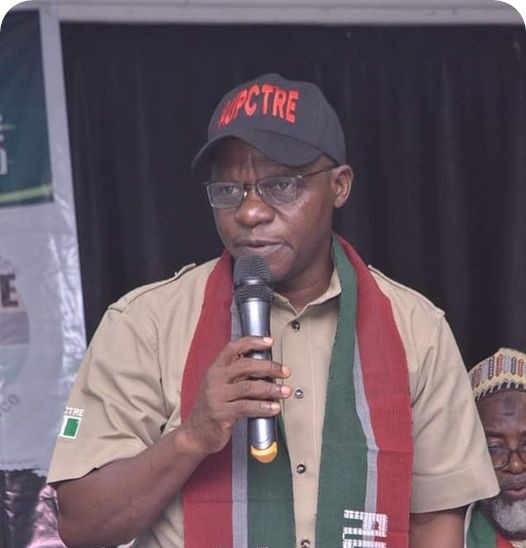
Delivering the welcome address, President and Chairman of the Governing Council of CIPM, Mallam Ahmed Ladan Gobir, FCIPM, fnli, said meaningful organisational transformation begins with leadership, stressing that innovation, diversity, and inclusion are leadership choices rather than corporate slogans.
According to Gobir, organisations with diverse leadership teams make better decisions, encourage innovation, and are more likely to achieve stronger business performance because they draw on a wider range of experiences and perspectives.
He said diversity should extend beyond representation to creating meaningful opportunities for people to participate in decision-making, noting that “innovation without diversity becomes repetition, while diversity without inclusion becomes decoration.”
Gobir also emphasised that competence remains the foundation of organisational success and urged CEOs and HR leaders to work together to build future-ready organisations.
He further reminded participants that HR practice is now a regulated profession in Nigeria and welcomed the Federal Government’s directive requiring heads of HR and Administration in the federal public service to obtain professional certification through CIPM. He urged private sector organisations to similarly support the certification and continuous professional development of their HR practitioners.
Delivering the goodwill message, Governor Babajide Sanwo-Olu of Lagos State, represented by Permanent Secretary, Public Service Office, Sunkanmi Olasunkanmi Oyegbola, said organisations must begin measuring diversity and inclusion by tangible outcomes rather than the existence of policies or committees.
According to the governor’s message, organisations should pay closer attention to who is hired, promoted, and included in decision-making, adding that businesses which expand opportunities and remove unnecessary barriers consistently outperform those that do not.
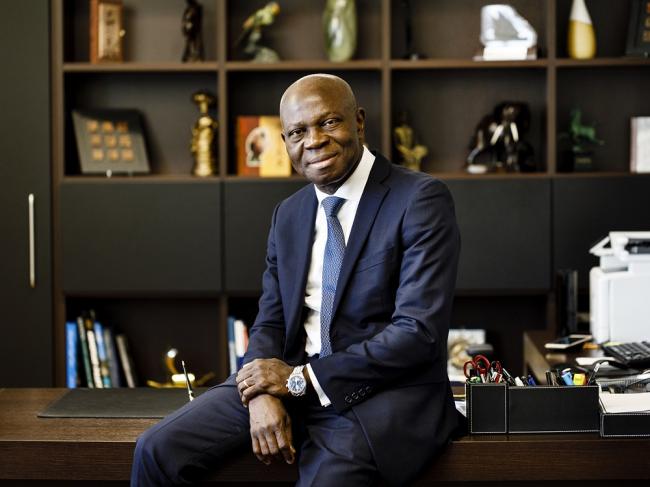
Presenting the first keynote address, Managing Director of FrieslandCampina WAMCO Nigeria Plc, Roger Philippe Adou, described diversity and inclusion as business imperatives that drive innovation, strengthen decision-making, and support long-term growth.
He said FrieslandCampina WAMCO deliberately promotes gender, regional, and cultural diversity across its workforce while creating an environment in which employees feel respected and confident enough to contribute ideas.
Adou stressed that psychologically safe workplaces enable employees to speak up, share diverse perspectives, and contribute meaningfully to organisational success.
According to him, diversity, equity, and inclusion (DEI) should not be viewed as the sole responsibility of HR, but as a leadership obligation shared across every level of an organisation.
“DEI is not a zero-sum game. It is good for business,” he said, adding that organisations should ultimately be judged by the everyday experiences of their employees rather than by diversity statements alone.
Providing the public sector perspective, Director-General of the Administrative Staff College of Nigeria (ASCON), Dr. Funke Adepoju, said diversity and inclusion are constitutional obligations within Nigeria’s public service.
She explained that the Nigerian Constitution, the Federal Character Principle, anti-discrimination laws, and disability legislation already provide a strong legal framework for inclusion.
According to Adepoju, organisations must move beyond ensuring representation to creating workplaces where employees genuinely feel a sense of belonging and are empowered to contribute.
“Diversity is being invited to the party. Inclusion is being asked to dance,” she said.
Adepoju also encouraged HR professionals to continually update their knowledge and strengthen their professional competence, noting that the effective implementation of HR policies depends on skilled and knowledgeable practitioners.
Contributing to the discussion, Vice President, HR West Africa, iSON Xperiences, Dr. Colin Enim, said diversity, inclusion, and leadership should form an integral part of every organisation’s people strategy.
Enim described inclusion as the everyday experience of employees, explaining that organisations perform better when people feel valued, respected, and given equal opportunities to contribute, regardless of age, gender, or background.
Reinforcing earlier submissions, Adepoju urged HR professionals, particularly those in the public sector, to continuously reskill and remain grounded in public service regulations, while Adou maintained that organisations should deliberately expand opportunities for qualified talent and continue investing in employee development to build stronger and more inclusive workplaces.
Delivering the vote of thanks, Vice President of CIPM, Chidinma Obiejesi, FCIPM, said the forum successfully bridged executive leadership and practical people management, reinforcing the need for organisations to embed diversity and inclusion within their leadership culture.
Quoting leadership expert Stephen Covey, she said, “Strength lies in differences, not in similarities,” and encouraged participants to translate the forum’s insights into practical actions within their organisations.
The forum concluded with participants reaffirming the need for stronger collaboration between CEOs and HR leaders to build inclusive workplaces, strengthen professional HR practice, and prepare Nigerian organisations for the future of work.