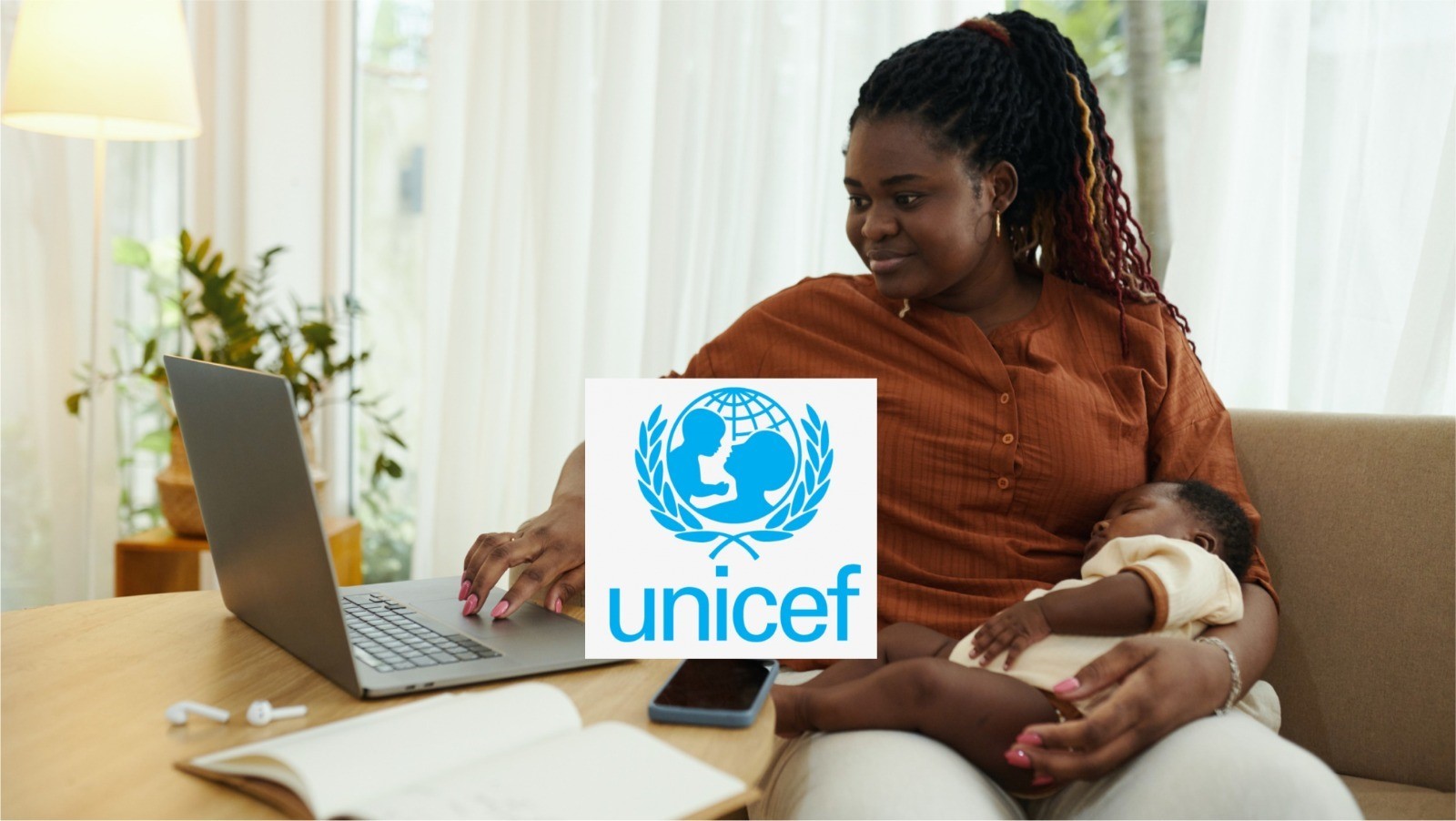
The United Nations Children’s Fund (UNICEF) has urged governments and employers to adopt family-friendly workplace policies that enable working mothers to breastfeed their babies, saying stronger workplace support is essential to improving maternal and child health outcomes.
The Chief of UNICEF Kano Field Office, Mr Shafeeq Ur-Rehman, made the call on Thursday during a road walk organised to commemorate the 2026 World Breastfeeding Week in Kano. He said employers should introduce policies such as six months of paid maternity leave, flexible working arrangements, breastfeeding breaks, private lactation rooms and facilities for the safe storage of expressed breast milk.
According to Ur-Rehman, many women return to work shortly after childbirth, making it difficult to practise exclusive breastfeeding during the first six months of a child’s life as recommended by health experts.
He said only 14 states currently provide six months of paid maternity leave for workers.
“The policy enables mothers to exclusively breastfeed their babies during the critical early stages of development,” he said.
Ur-Rehman urged the remaining 22 states, including Kano, Jigawa and Katsina, to adopt and implement similar maternity leave policies to support working mothers and improve maternal and child health outcomes.
He described breastfeeding as “the wise choice for every child, every mother, and every nation.”
The UNICEF official expressed concern that although more than 90 per cent of Nigerian mothers breastfeed their children, optimal breastfeeding practices remain low.
Citing the 2021 Multiple Indicator Cluster Survey, he said fewer than one in 10 newborns are breastfed within the first hour of birth, while only about one in 10 infants are exclusively breastfed for the first six months.
Speaking on the theme of this year’s World Breastfeeding Week, “Breastfeeding for a Sustainable Start in Life: Strengthen What Works,” Ur-Rehman described breast milk as the most sustainable food for infants and a child’s first protection against diseases, malnutrition and preventable deaths.
He reaffirmed UNICEF’s commitment to working with the federal and state governments, alongside development partners, to ensure every Nigerian child survives and thrives.
Also speaking, Kano State Nutrition Officer, Mrs Aishatu Sulaiman, said the campaign was aimed at promoting exclusive breastfeeding from birth to six months and continued breastfeeding alongside complementary feeding until two years.
She said breast milk contains all the nutrients needed for healthy growth, strengthens a child’s immune system and helps prevent malnutrition.
Sulaiman encouraged mothers to embrace exclusive breastfeeding, describing it as one of the most effective and affordable interventions for improving child survival and development.
The event attracted government officials, healthcare workers, civil society organisations, development partners and other stakeholders.