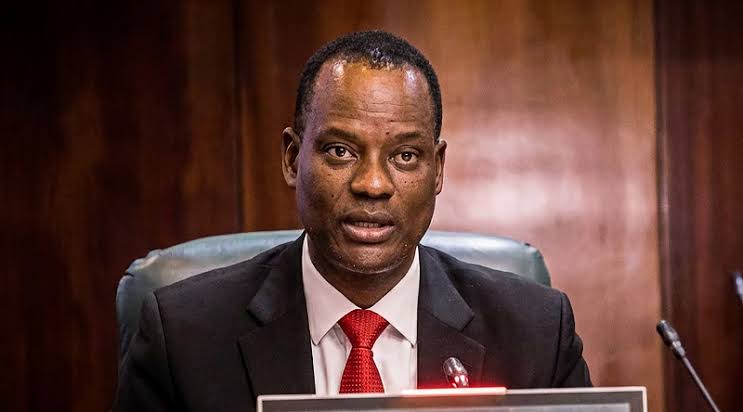

An expert in International Relations, Dr. Kunle Olawunmi, has urged the Federal Government and organised labour to urgently rebuild public trust and prioritise the creation of decent jobs, warning that insecurity and poverty are undermining workers’ livelihoods and Nigeria’s stability.
He made the call on Wednesday in Abuja while delivering a keynote address at the 2026 Pre-May Day Lecture organised by the Nigeria Labour Congress (NLC) and the Trade Union Congress (TUC).
Speaking on the theme, “Insecurity, Poverty – Bane of Decent Work,” Olawunmi said the challenges were both urgent and directly detrimental to the nation’s economy and workers’ welfare. He noted that without safety and economic stability, Nigerians cannot attain meaningful employment or improved living standards.
“Nigeria cannot build a productive economy on frightened communities and hungry households,” Olawunmi said, stressing that a critical question remains whether working in Nigeria still guarantees dignity, security, and hope.
He observed that the country’s labour system reflects a troubling reality in which many individuals are employed yet remain economically insecure and unable to sustain decent living conditions. Citing data from the National Bureau of Statistics (NBS), he added that a significant proportion of Nigerians are engaged in informal, vulnerable, and low-paying jobs.
According to him, headline unemployment figures do not capture the full extent of the crisis, as underemployment and informal work remain widespread. He further noted that poor governance has transcended politics and now directly affects workers’ wages, productivity, and overall welfare.
Olawunmi cautioned that an increase in the minimum wage, in isolation, would not improve living standards without corresponding governance reforms. He explained that Nigerians currently contend with multiple “hidden taxes,” including the costs associated with insecurity, inadequate infrastructure, limited access to healthcare, and unstable electricity supply.
Describing poverty as a national security emergency, he warned that widespread hardship could precipitate instability and social unrest. He added that insecurity continues to disrupt economic activities, escalate production costs, and restrict workers’ mobility.
“Insecurity is not only the presence of violence; it is the destruction of normal economic life,” Olawunmi said, adding that as insecurity spreads, productivity declines and livelihoods are eroded.
He further explained that decent work, as defined by the International Labour Organisation (ILO), extends beyond employment to encompass fair income, workplace rights, social protection, and human dignity.
Olawunmi urged both government and labour leaders to strengthen collaboration, enhance accountability, and implement policies that promote inclusive economic growth. He added that Nigeria must place the dignity of its citizens at the centre of governance.
“Sustainable development can only be achieved when workers are protected and empowered,” he said.