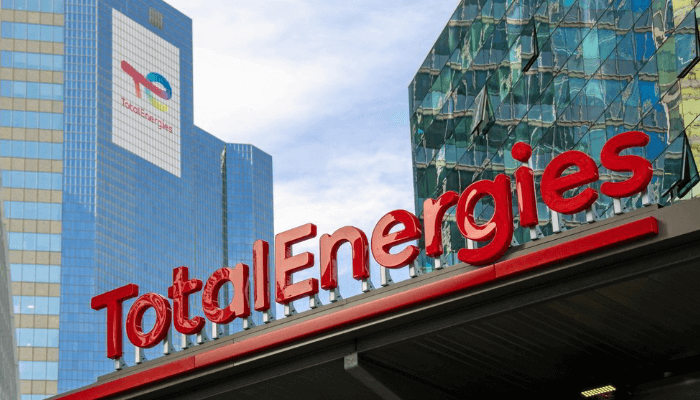
The Petroleum and Natural Gas Senior Staff Association of Nigeria (PENGASSAN) and the Movement of Intellectuals for National Development (MIND) have raised alarm over what they described as the persistent maltreatment of Nigerian employees at TotalEnergies Nigeria Limited.
The allegations are contained in formal petitions and letters addressed to the company’s management and relevant government authorities, citing harassment, unethical conduct by expatriate staff, and alleged violations of Nigeria’s Local Content laws.
In a letter to the Managing Director of TotalEnergies Nigeria, PENGASSAN accused some expatriate employees of intimidation, bullying, and harassment of Nigerian staff. The union alleged instances of verbal abuse, undue humiliation, and the disregard of professional input, which it said had created a hostile work environment and adversely affected staff morale.
PENGASSAN also criticised the management of TotalEnergies over what it described as an “unprecedented influx” of expatriates into senior and strategic positions traditionally occupied by qualified Nigerians. According to the union, the practice contravenes the Nigerian Oil and Gas Industry Content Development (NOGICD) Act and national policies aimed at promoting local capacity building and skills development.
The association further alleged that new senior-level positions were being created for expatriates while Nigerian employees were removed or sidelined, a development it said inflates operational costs and entrenches inequality and intimidation within the workplace.
“If we chose to look away from this new trend, we would never ignore the hostile work environment, adverse impact on staff morale, rudeness, and racist tendencies that some of these expats have continued to perpetuate in our once convivial work environment,” PENGASSAN said in a petition signed by its branch chairman, Mr. Abdulhameed Rabiu, and its secretary, Mr. Opuwariboko Dickson.
The union said it would continue to take action to safeguard the welfare, dignity, and professional interests of its members.
Similarly, MIND has escalated the matter to the Nigerian Senate through a formal petition signed by its Western Coordinator, Mr. Ebi Warekromo. The organisation alleged that expatriates had occupied positions designated for Nigerians, awarded contracts to foreign firms despite the availability of competent local companies, and fostered an atmosphere of fear that discourages staff from reporting irregularities.
MIND urged the National Assembly to intervene by directing relevant regulatory agencies, including the Nigerian Content Development and Monitoring Board (NCDMB), the Federal Ministry of Interior, and the Nigerian Immigration Service, to investigate the alleged violations and enforce compliance with existing laws.
The group also called on the Ministry of Labour and Employment to ensure fair and decent working conditions for Nigerian employees and to prevent further marginalisation of local professionals.
Both organisations said their actions were aimed at promoting a safe, inclusive, and professional work environment, insisting that Nigerian workers must be treated with dignity, recognised for their competence, and allowed to operate under conditions that comply with statutory requirements.
They demanded the immediate restoration of roles previously held by Nigerians and strict adherence to workplace standards and Local Content laws, warning that the alleged practices undermine national objectives on technology transfer, skills development, and capacity building.