The World Bank has underscored job creation as central to reducing poverty, fostering stability, and expanding economic opportunity, even as countries grapple with mounting global economic uncertainty.
In a recent blog post, the President of the World Bank Group, Mr. Ajay Banga, said employment remains the most reliable pathway out of poverty and a foundation for dignity and social cohesion.
“Jobs are not only the surest path out of poverty but also provide dignity, hope, and stability,” Banga wrote.
He added that the Bank’s long-term objective is to help countries build dynamic private sectors capable of converting economic growth into local employment.
“Our ultimate goal is to help countries build dynamic private sectors that convert growth into local jobs, not by shifting work from developed countries, but by unlocking opportunities where people already live,” he said.
The Bank noted that 2025 has brought multiple headwinds, including ongoing conflicts, economic uncertainty, and extreme weather events. Despite rising debt service burdens, slowing global growth, and persistent trade frictions, developing economies have shown greater resilience than expected, with global growth projected at 2.7 per cent this year.
Looking ahead, the institution warned of mounting pressure on labour markets. Over the next decade, an estimated 1.2 billion young people in developing countries are expected to enter the workforce, intensifying the urgency for large-scale job creation.
Failure to generate sufficient employment opportunities, the Bank cautioned, could fuel instability, social unrest, and migration pressures, with far-reaching global consequences.
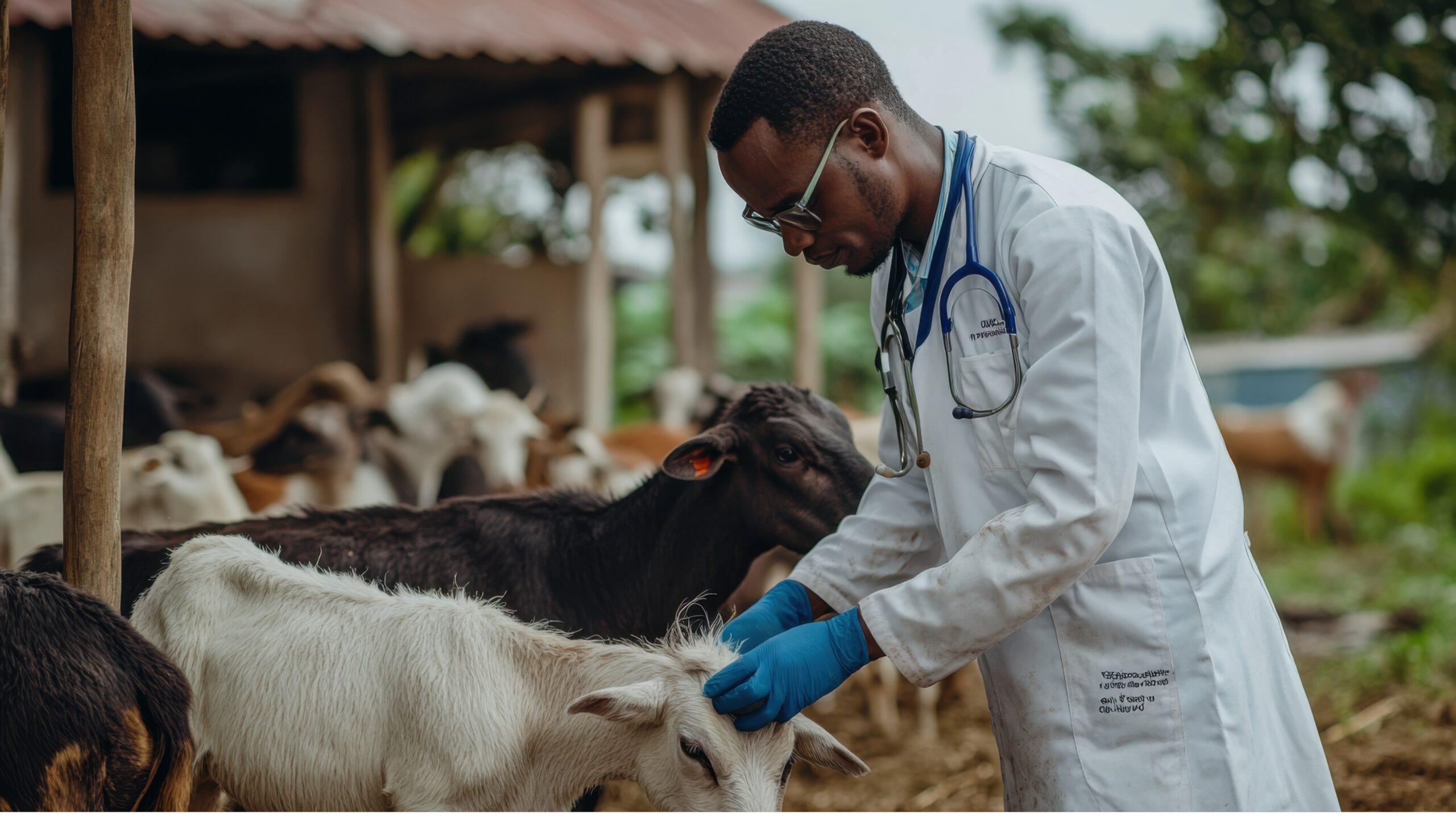
In response, the World Bank said it is prioritising sectors with strong employment potential, including infrastructure, energy, agribusiness, healthcare, tourism, and manufacturing.
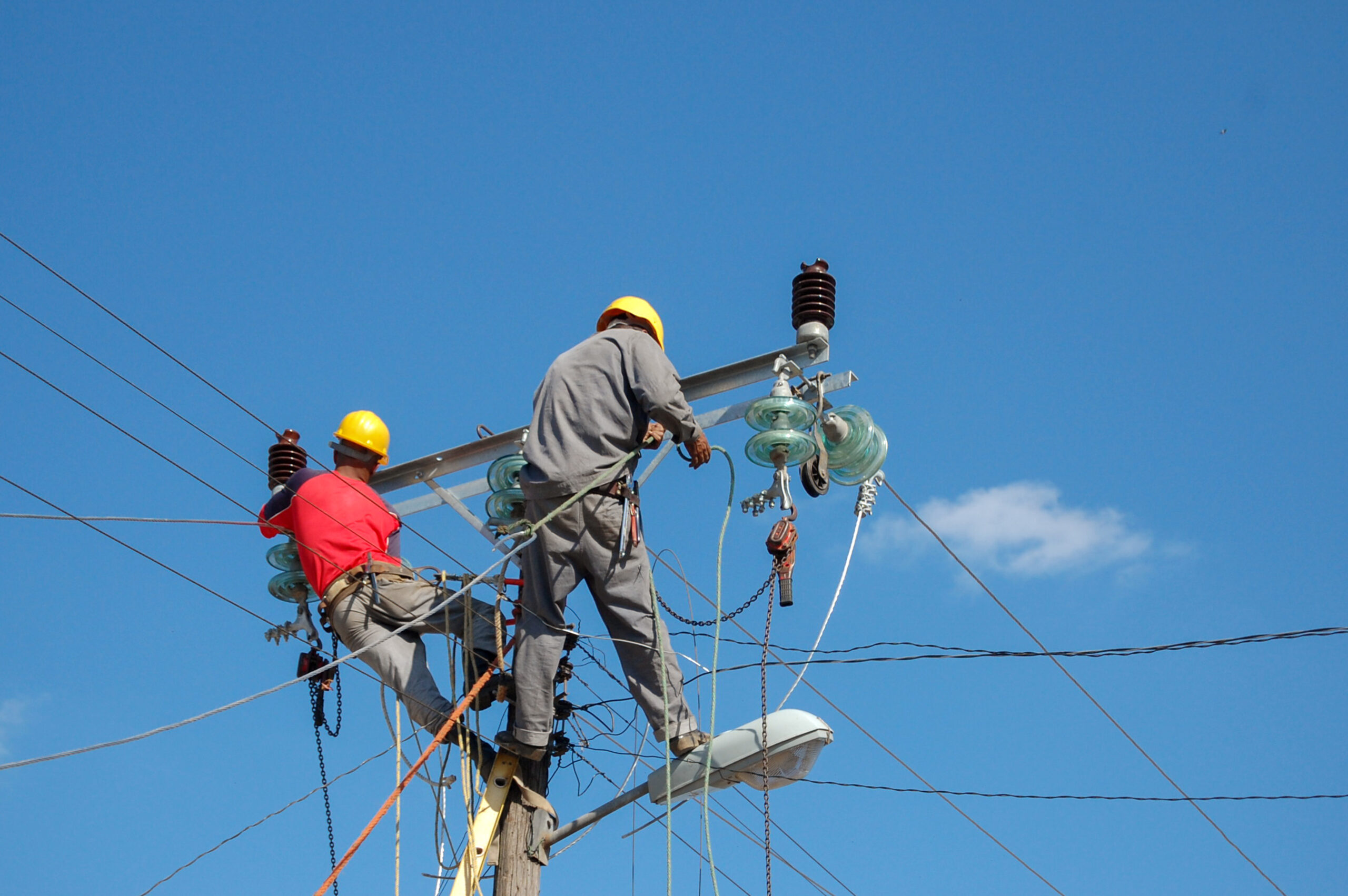
It also highlighted initiatives such as Mission 300, launched in partnership with the African Development Bank, which aims to connect 300 million Africans to electricity by 2030. The project is expected to boost productivity, stimulate private investment, and create jobs across the continent.
The Bank maintained that strengthening private sector development and expanding access to reliable infrastructure will be critical to shaping the future of work and ensuring that economic growth translates into inclusive employment opportunities.