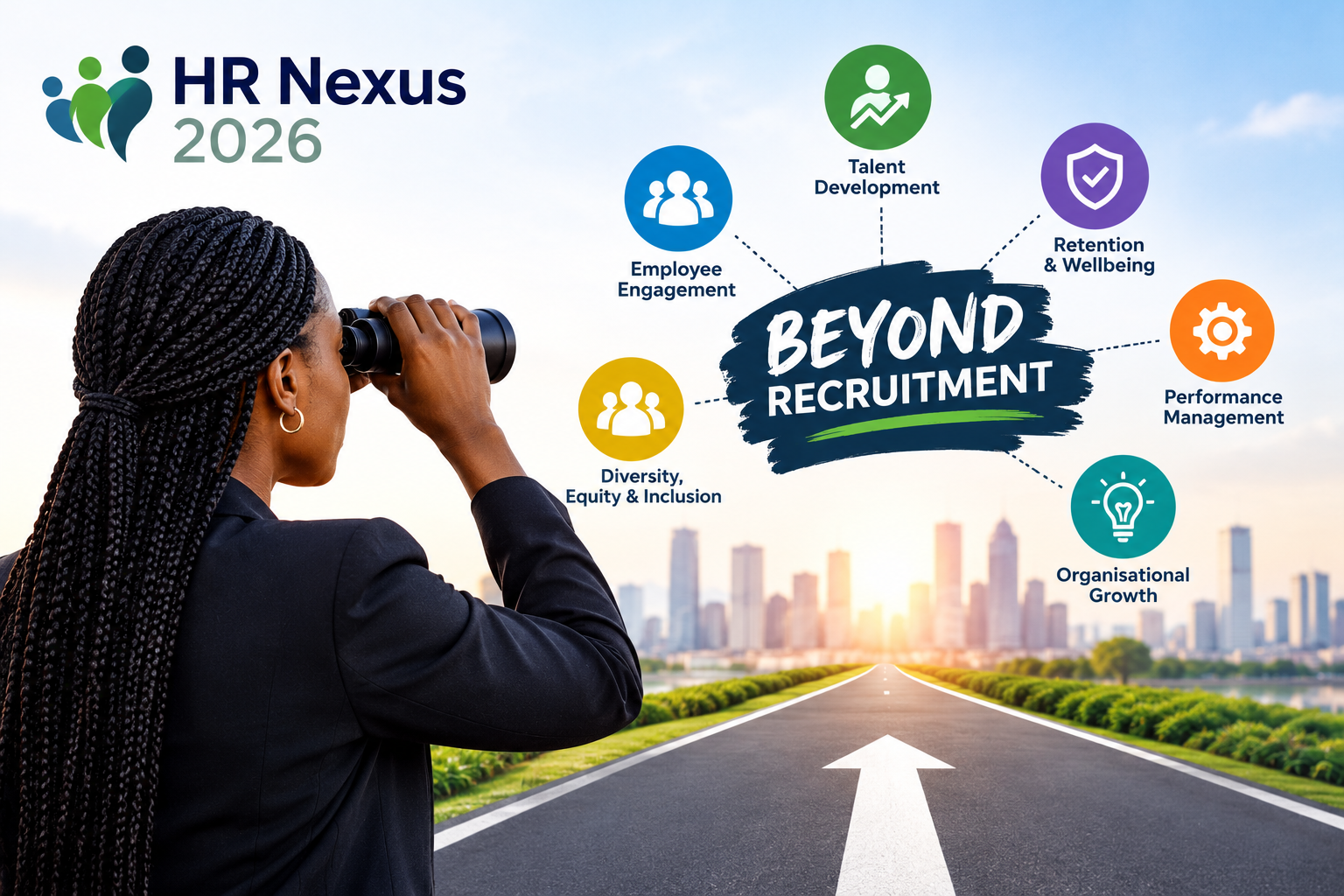
Human resource professionals have been urged to look beyond recruitment and focus on employee development, performance management and solving business problems to improve organisational success at HR Nexus 2026, an event aimed at broadening understanding of HR’s role in the workplace.
The event, themed Decoding HR: The People Behind Performance, was organised by the Chartered Institute of Personnel Management (CIPM) Human Resource Club, University of Ibadan, on October 10, 2026. In the keynote presentation, “Beyond Recruitment: Understanding the Real Business of Human Resources,” Aderemilekun C. Salako, founder of Remmak Consulting, highlighted how effective people management can help organisations translate recruitment efforts into improved employee performance and business results.
The presentation explained that recruitment is only the beginning of the employee lifecycle, which also includes onboarding, development, performance management and retention. It identified unclear expectations, poor onboarding, inadequate feedback, delayed pay and limited career growth as factors that can prevent employees from performing effectively after being hired.
Using an example of an organisation that hired 10 sales representatives but recorded no improvement in sales after three months, the presentation illustrated why HR professionals must investigate the causes of poor performance rather than measure success by recruitment numbers alone.
It suggested examining factors such as training, targets, incentives, managerial support and job design to identify what might be preventing employees from delivering the expected results.
The presentation also highlighted the wider business implications of HR decisions, including employee turnover, payroll accuracy, workforce planning and productivity. It encouraged HR professionals to assess the outcomes their activities are intended to achieve and determine whether those activities are delivering the expected results.
Beyond technical knowledge, the presentation stressed the importance of practical competence in areas such as recruitment, payroll administration, HR reporting, grievance documentation and performance management. It noted that understanding HR concepts is not the same as being able to apply them effectively in the workplace.
Technology was another focus, with the presentation emphasising the need for HR professionals to use data and digital tools responsibly, verify information, protect confidential employee records and remain alert to potential bias. It maintained that technology should support human judgement rather than replace it.
The importance of practical problem-solving also featured in the experience of attendees. Kolapo Kabirat, a 400-level Sociology student at the University of Ibadan, said the event reinforced the need for HR professionals to develop business, systems, people and political skills.
Kabirat said professionals must be able to analyse situations, think critically, communicate effectively, listen carefully and ask the right questions.
She also highlighted the importance of using artificial intelligence ethically and understanding prompt engineering as technology becomes increasingly relevant to workplace activities.
“Organisations need people who can solve problems and provide solutions, not just people who know how to do their jobs,” Kabirat said.
The event featured a panel session themed “People at Work: Leadership, Culture, Talent and the Future of Work,” which explored issues relating to people management and the changing world of work.
As part of the programme, the organisers held an essay competition on the topic “Beyond Recruitment: How Can Human Resource Management Improve Employee Performance and Organisational Success?” The winners were Oluwabukolami Elesho, Kareem Esther Oluwayemisi and Taiwo Philip Osundare.
The club also awarded its most active member an internship opportunity.
HR Nexus is the flagship event of the CIPM HR Club, University of Ibadan. The initiative seeks to broaden understanding of HR beyond recruitment and payroll by examining the people, systems and workplace dynamics that influence organisational performance.