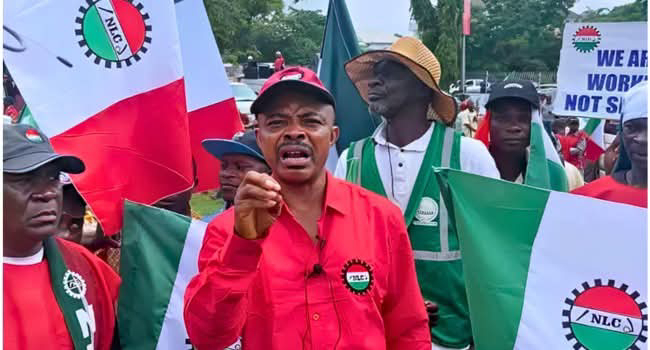
The Nigeria Labour Congress (NLC) has rejected any proposal to impose taxes on the national minimum wage and announced plans to commence fresh wage negotiations by July 2026. The union said worsening economic conditions, driven by inflation, rising food prices, and increasing transport costs, have made the case for a living wage more urgent.
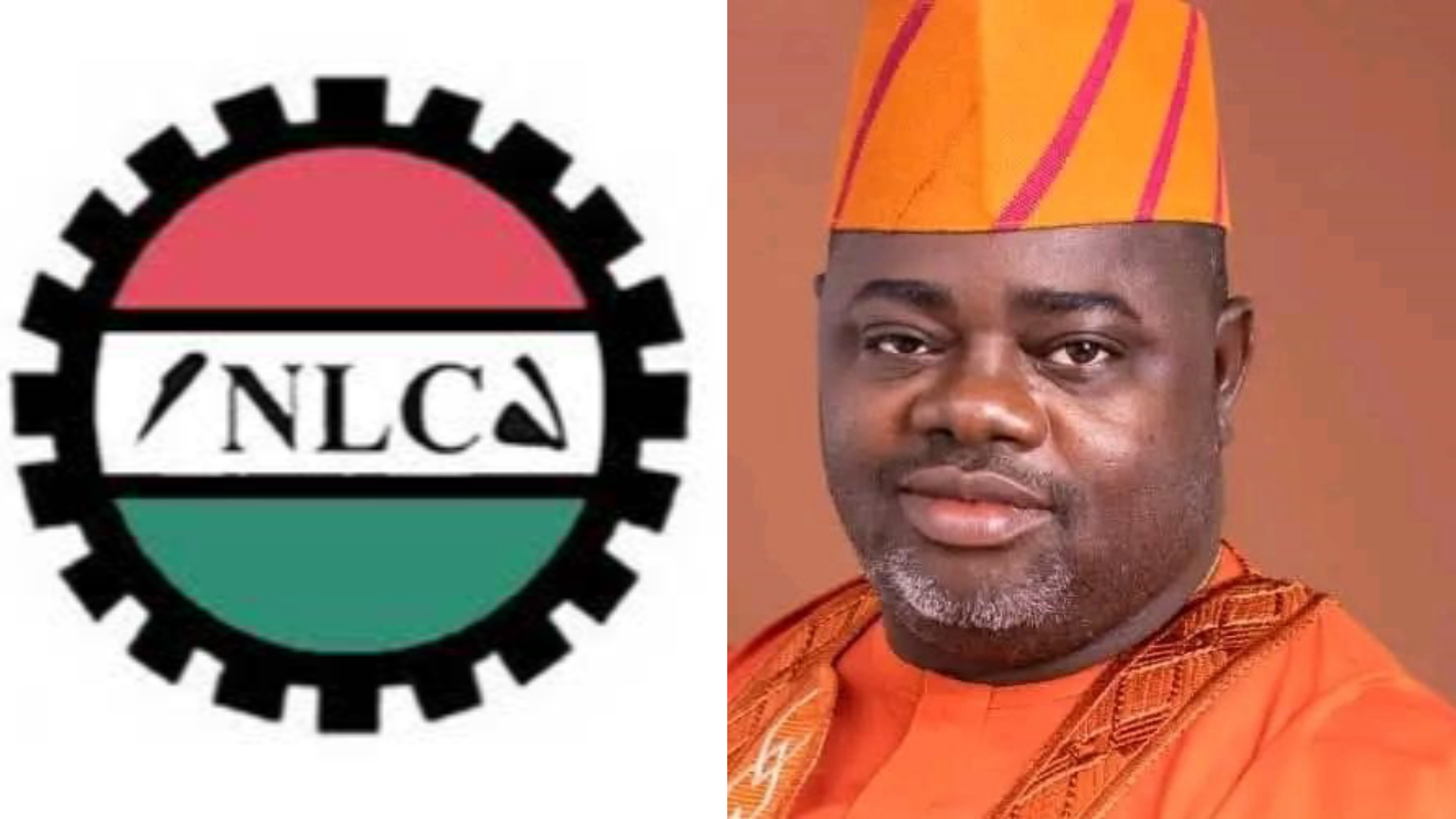
Speaking to journalists on the sidelines of the 114th Session of the International Labour Conference (ILC) in Geneva, Switzerland, on Tuesday, NLC President, Joe Ajaero, said organised labour would strongly oppose any attempt to tax minimum wage earners. He described such a move as unfair and insensitive, warning that it would further compound the burden facing workers across the country.
Ajaero said the current minimum wage no longer reflects prevailing economic realities, noting that many workers are struggling to meet their basic needs amid the rising cost of living.
“We reject outright any attempt to tax the minimum wage or place levies on poor Nigerian workers,” Ajaero said.
He disclosed that organised labour would soon begin fresh engagements with the government on a new wage framework, adding that the process would commence in July 2026 to avoid the delays that characterised previous negotiations.
“As soon as we leave here, we shall write again to the government, demanding commencement of the process for renegotiating the National Minimum Wage,” he said.
According to Ajaero, labour’s demands extend beyond a routine wage review, stressing that workers deserve a genuine living wage capable of meeting essential needs under current economic conditions.
“We demand nothing less than a genuine living wage that reflects today’s high-speed economic realities facing Nigerian workers,” he stated.
The NLC President also called on federal, state, and local governments to implement immediate relief measures for workers while negotiations are ongoing. He warned that failure to provide such support could intensify the hardship already confronting low-income earners.
Ajaero explained that the wage review would remain a tripartite process involving government, organised labour, and private sector representatives to ensure a fair and balanced outcome.
He noted that some state governments are already paying above the current national minimum wage, demonstrating that higher wage structures are achievable.
“Some states are paying N85,000, some are paying N100,000. It shows that N70,000 is no longer realistic or relevant,” he said.
The labour leader urged governors to take proactive steps to improve workers’ welfare ahead of formal national negotiations.
He reaffirmed organised labour’s commitment to safeguarding workers’ rights and resisting policies capable of increasing poverty or undermining gains achieved through collective bargaining.
Ajaero expressed confidence that the forthcoming negotiations would deliver a fair, realistic, and sustainable wage structure that would significantly improve the welfare of Nigerian workers.