
The Kaduna State Government, in collaboration with development partners, including the United Nations Children’s Fund (UNICEF), has commenced fresh discussions on reclassifying the salaries of teachers and healthcare workers as capital expenditure, in a move aimed at strengthening human capital development and improving funding stability.
The discussions were held on Tuesday during a one-day strategic stakeholders’ dialogue in Kaduna, convened by the state’s Planning and Budget Commission. The forum brought together policymakers, lawmakers, and sector leaders to examine innovative approaches to public finance with direct implications for workforce management in the education and health sectors.
Officials indicated that the proposal, if adopted, could reshape how salaries are funded, ensure more predictable remuneration, and enhance service delivery across critical social sectors. The initiative, championed by UNICEF, is expected to influence the state’s budgeting framework, with potential long-term benefits for citizens, particularly children and vulnerable populations.
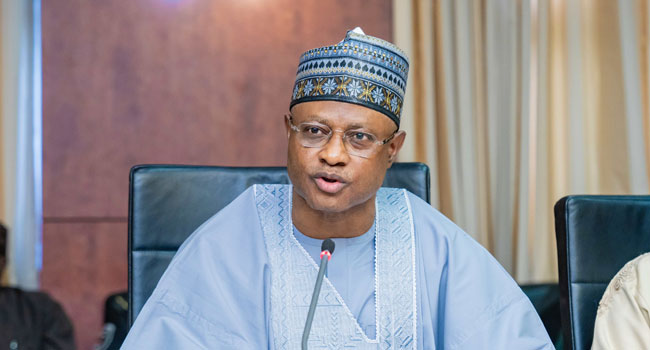
Speaking at the event, the Commissioner for Planning and Budget Commission, Mr. Mukhtar Ahmed, said the government is open to the proposal, describing it as both bold and necessary. He noted that the reform challenges the conventional classification of salaries as recurrent expenditure, instead positioning teachers and healthcare workers as strategic, long-term assets within the state’s development architecture.
“This dialogue reflects our commitment to exploring innovative approaches to governance that put people first,” Ahmed said. “While salaries have traditionally been treated as recurrent expenditure, this proposal invites us to rethink that framework in light of development outcomes.”
Ahmed added that the government is carefully assessing the potential implications for fiscal planning and budget sustainability, while also considering the reform’s capacity to strengthen service delivery outcomes across the state.
Providing a legislative perspective, the Chairman of the Kaduna State House of Assembly Committee on Judiciary and Primary Health, Mr. Emmanuel Kantiok, said the proposal remains under consideration and may require legislative backing. He noted that the House would review the initiative after receiving inputs from ministries, departments, agencies, and other stakeholders.
“If it requires legal backing, it will come before us, and we will consider it accordingly,” Kantiok said. He added that, if properly implemented, the proposal could improve the welfare, motivation, and performance of teachers and healthcare workers—key pillars of the state’s human capital strategy.
Also speaking, UNICEF’s Chief of Field Office in Kaduna, Dr. Gerida Birukila, described the proposal as both urgent and strategic. She said reclassifying salaries as capital expenditure would help ensure more predictable and sustained funding for frontline workers.
“Reclassifying salaries as capital expenditure sends a strong message that Kaduna State is investing in its people,” Birukila said. “It will also help ensure timely payment of salaries and improve the overall reliability of funding in education and health.”
She disclosed that UNICEF is working closely with the state government, regulators, and lawmakers to advance the proposal through the required technical and policy processes.
“We are engaging all relevant actors, and the process is moving forward. We are optimistic that this will be achieved in a way that strengthens systems and delivers real impact,” she added.
Birukila further noted that, beyond improving salary payments, the reform could enhance talent attraction and retention in the education and healthcare sectors, addressing a persistent workforce challenge.
The dialogue marks a significant step towards what could become a landmark policy shift in Kaduna State. Stakeholders noted that, if adopted, the reform could position the state as a frontrunner in redefining public investment in human capital, with potential implications for other states and broader national policy discourse.