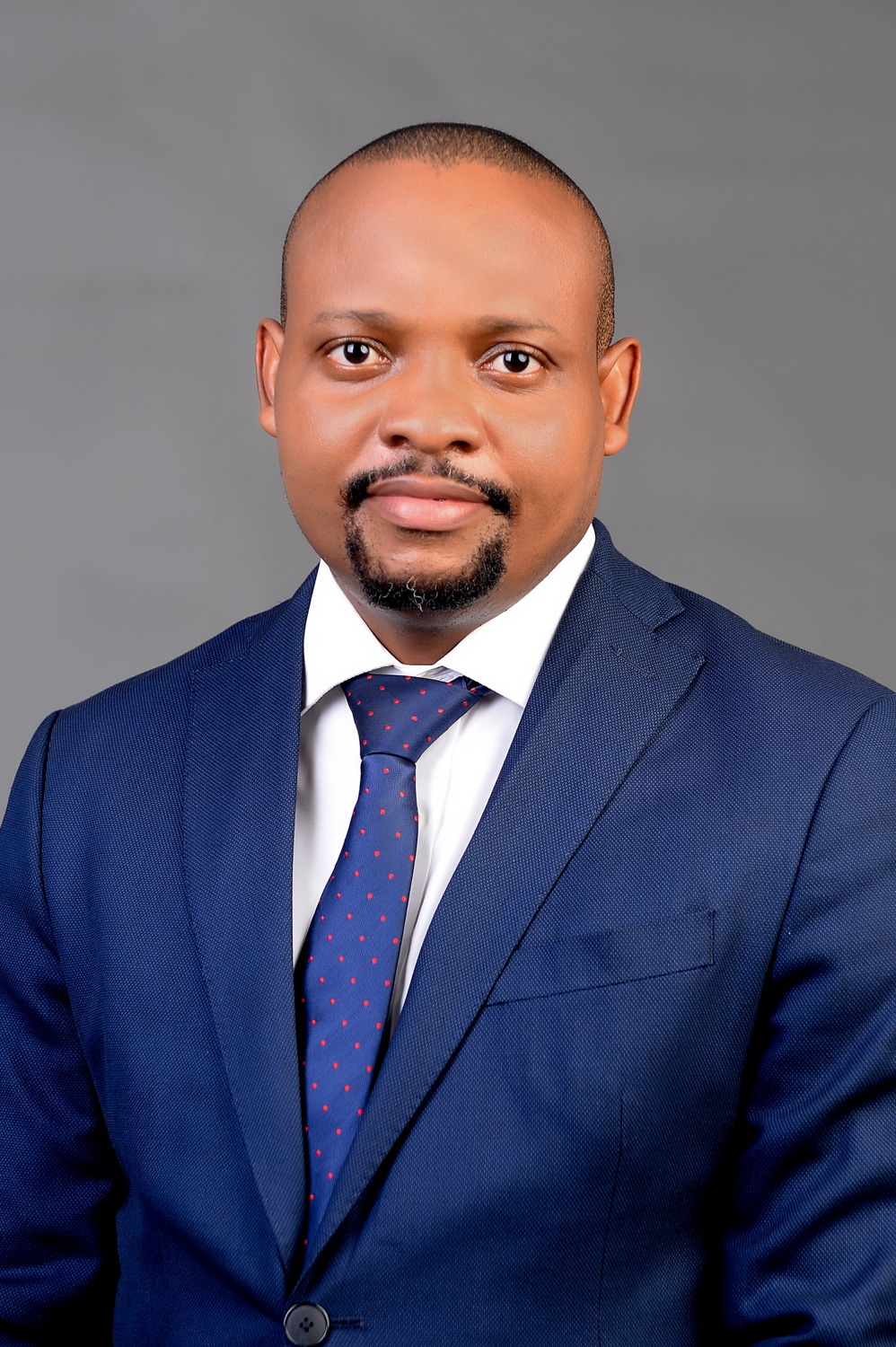
As organizations navigate an era of rapid technological change and evolving workforce demands, HR leaders are rethinking how they attract, retain, and develop talent. In an interview with The HR Anchor, Vivian Nwogu, a certified HR strategist and digital transformation leader, shared insights on how HR can leverage AI, focus on skills over titles, and prepare professionals for the future of work.
Speaking from her role at the Development Bank of Nigeria, where she leads Recruitment and Learning & Development, Nwogu emphasized that balancing day-to-day operations with long-term workforce strategy requires intentional planning and automation. “Each quarter, I set a goal to identify at least one process that can be improved,” she said.
“By automating repetitive tasks, we free up time to focus on workforce planning, talent pipeline development, and other strategic initiatives.”
On the shift towards skills-based and outcome-driven teams, Nwogu noted that hiring now prioritizes real impact over traditional credentials. “We focus on capabilities and tangible results,” she said. “For technical roles, practical tests assess competence, while our internal projects and innovation challenges allow employees to develop cross-functional skills and collaborate across departments.”
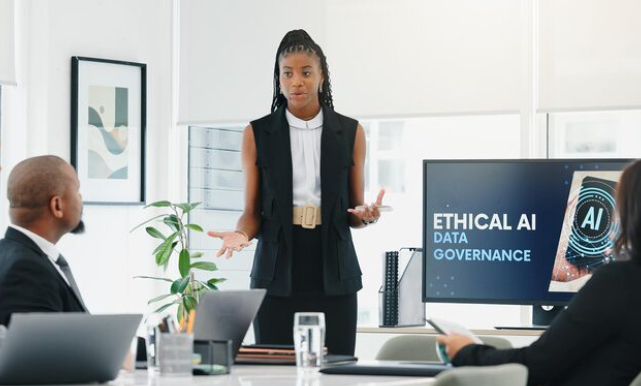
Artificial Intelligence, she said, is now integral to recruitment but cannot replace human judgment. “AI helps with screening and scheduling, but human input is crucial for assessing culture fit and making final hiring decisions,” Nwogu explained. She advised candidates to leverage AI tools to tailor their applications, warning that high-potential talent can be overlooked without understanding these systems.
Highlighting challenges in integrating AI, Nwogu cited skills gaps, poor data quality, resistance to change, and ethical considerations. “HR professionals must be agile, embrace continuous learning, and develop AI governance policies to ensure responsible adoption,” she said.
On building credibility as an HR leader, Nwogu stressed the importance of personal branding and transparency. “HR must align with organizational goals, communicate clearly, and demonstrate competence and integrity in decision-making”.
Looking ahead, she identified essential skills for HR professionals, including AI literacy, data analytics, stakeholder management, design thinking, adaptability, and an agile mindset. “Those who cultivate these skills will remain relevant and effective in a rapidly changing workplace,” Nwogu concluded.