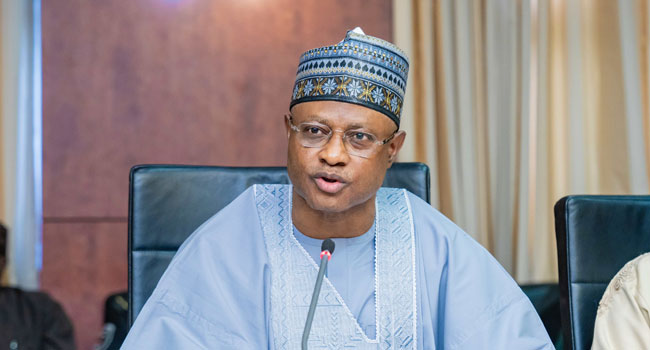

The Non-Academic Staff Union of Educational and Associated Institutions (NASU) has raised concerns over the prolonged delay in renegotiating the 2009 agreement between the Federal Government and university-based unions, warning that the slow pace is fuelling frustration among workers in the university system.
Speaking with journalists on Monday in Abuja, NASU National President, Mr. Hassan Makolo, said the renegotiation—covering key issues such as university funding, staff welfare, salaries, allowances, and improved working conditions—has taken longer than anticipated, despite ongoing discussions with government representatives.
Mr. Makolo explained that the agreement provides for periodic renegotiation to reflect changing economic realities and enhance conditions of service for workers in Nigerian universities.
According to him, although talks between the unions and the government are continuing, workers are becoming increasingly concerned about the pace of progress.
“Negotiations are still ongoing, but the process has taken longer than we expected. We are waiting for the government to present a clear offer based on discussions so far,” Makolo said.
He added that NASU had already submitted all necessary documents and proposals to the negotiating committee overseeing the process.
“We have submitted all the required documents and proposals to the negotiating committee. From our side, there is really nothing more to submit at this stage. What we are waiting for now is for the government to come forward with an offer,” he said.
Makolo further disclosed that a technical committee had earlier been established to harmonise submissions from the unions and government representatives.
He explained that the committee was expected to reconcile figures from both sides and present its recommendations to the main negotiating committee for final consideration.
The NASU president noted that the slow pace of renegotiation has heightened expectations among workers, particularly as many grapple with worsening economic hardship and the rising cost of living.
“Our members are becoming increasingly frustrated because the outcome of the renegotiation is expected to improve their welfare, especially with the current economic challenges,” he said.
He added that even a modest improvement in earnings would provide some relief to workers facing financial pressure.
Makolo, therefore, urged the Federal Government to treat the renegotiation process with urgency, noting that a sister union had already begun to enjoy benefits linked to the agreement.
He called on the government to conclude the renegotiation and ensure prompt implementation of the agreement to restore workers’ confidence and maintain industrial harmony within the university system.
However, Makolo commended the Federal Government for reintroducing gratuity payments for retiring workers, describing the move as a positive step towards improving staff welfare.