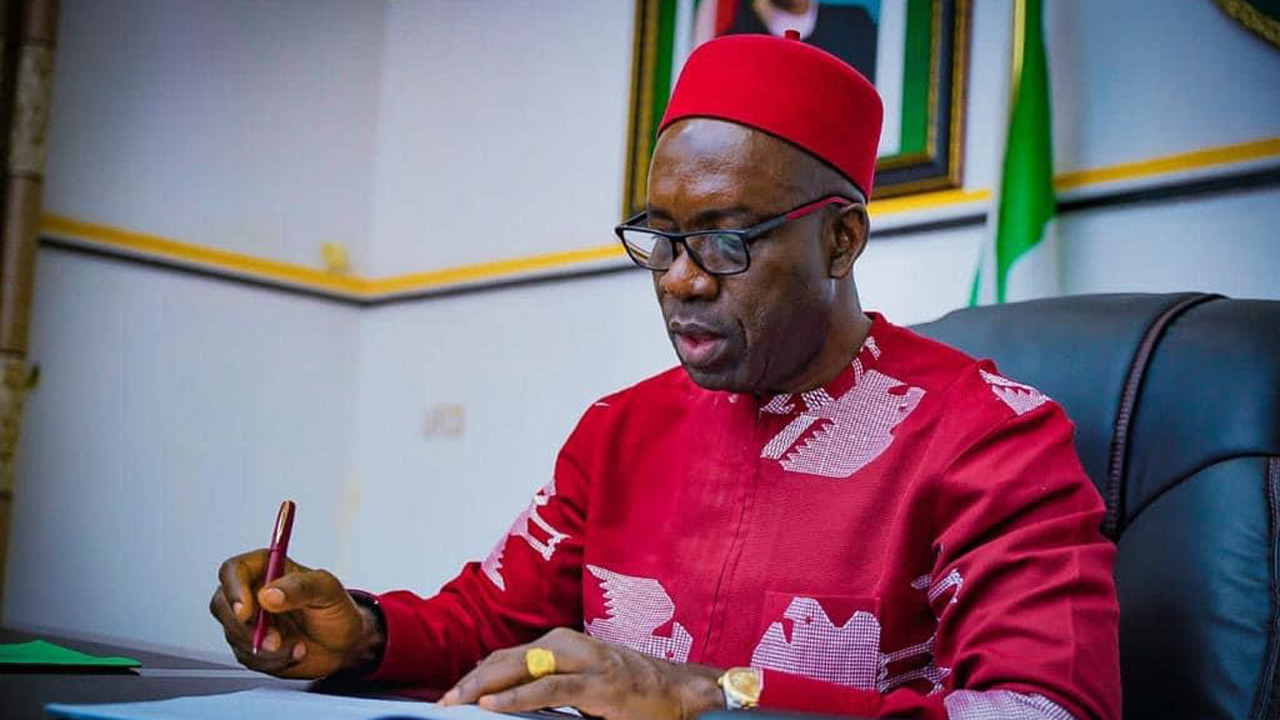
Nigeria is facing a severe shortage of specialised healthcare professionals, a crisis that threatens service delivery, inclusion, and national productivity, the Minister of Education, Mr. Tunji Alausa, has warned.
The deficit of trained professionals in critical disciplines, including occupational therapy, audiology, and speech therapy, is widening, with demand far outpacing supply.
“We are at a defining moment in our nation’s development, one where the demand for specialised healthcare and rehabilitation services is rising rapidly,” Alausa said during the inauguration of the National Committee for the Advancement of Occupational Therapy, Audiology and Speech Therapy Education in Abuja.
He attributed the shortage to the absence of structured training pathways in Nigerian universities, noting that many institutions do not yet offer degree programmes in these fields.
“Many of our universities do not yet offer structured Bachelor’sdegree programmes in these disciplines, and where training exists, it is often limited or not fully aligned with global best practices,” he said.
The minister warned that the implications extend beyond healthcare delivery to workforce development and the country’s ability to meet international standards.
“This gap has implications for service delivery, workforce development, and our ability to meet both national and international standards,” Alausa added.
To address the challenge, the Federal Government is prioritisingquality assurance, the expansion of academic programmes, and the development of graduates who are both globally competitive and locally relevant.
“We are focused on expanding high-impact programmes, improving quality assurance, and ensuring that our education system produces graduates who are globally competitive and locally relevant,” Alausa said.