
The Lagos State Internal Revenue Service has extended the deadline for filing individual annual income tax returns by two weeks, giving workers and other income earners until 14 April 2026 to meet their statutory obligations.
The extension, announced by LIRS Executive Chairman, Mr. Ayodele Subair, is intended to provide additional time for individuals to complete and submit accurate returns amid renewed emphasis on tax compliance among Nigerian workers.
Mr. Subair stressed that the extension should not be interpreted as an excuse for delay, noting that filing annual tax returns is a legal responsibility that workers must treat as a routine obligation.
Under the Nigeria Tax Act 2025, every individual earning income in Nigeria is required to file an annual return covering earnings from the preceding year, regardless of employment status.
For salaried employees, taxes are typically deducted at source through the Pay-As-You-Earn (PAYE) system. However, LIRS clarified that workers are still required to file annual returns for documentation purposes, verification of deductions, and to obtain a Tax Clearance Certificate.
Self-employed individuals, freelancers, and business owners bear greater responsibility, as they must declare their income and calculate their tax liabilities independently.
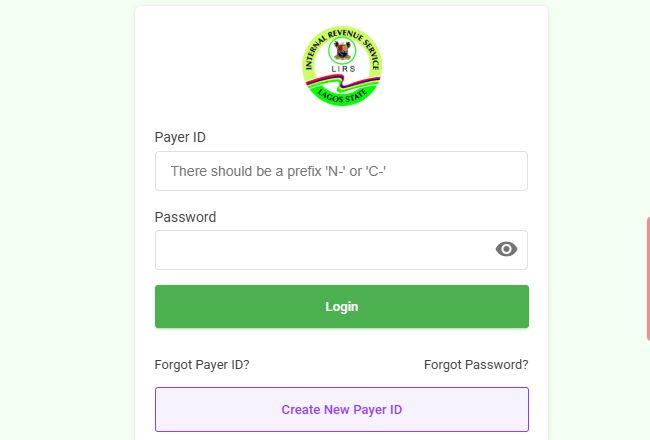
The agency also confirmed the full transition to digital filing, stating that the LIRS eTax platform is now the sole approved channel for submissions, following the complete phase-out of manual processes.
Mr. Subair described the platform as secure and accessible around the clock, urging workers to ensure that their Tax Identification Numbers are correctly entered to avoid errors that could affect their compliance status.
Earlier in the year, the Minister of State for Finance, Dr. Taiwo Oyedele, called on Nigerians to meet the original 31 March deadline, warning that both employers and employees share responsibility for tax compliance.
He emphasised that employees cannot assume their obligations end with salary deductions, reinforcing the need for individual accountability within the tax system.
The extension comes as authorities intensify efforts to strengthen compliance culture, improve revenue collection, and ensure that workers across employment categories fulfil their tax responsibilities.