
The Federal Government has launched a new industrial policy aimed at creating jobs, expanding manufacturing capacity, and increasing the value of goods produced in Nigeria.
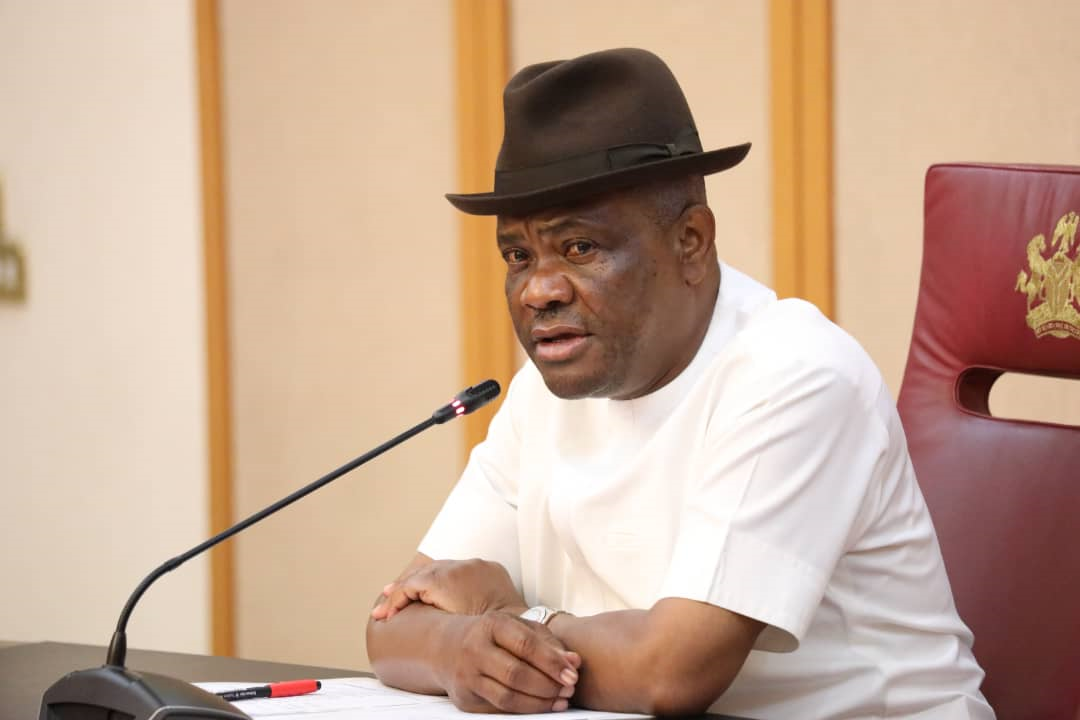
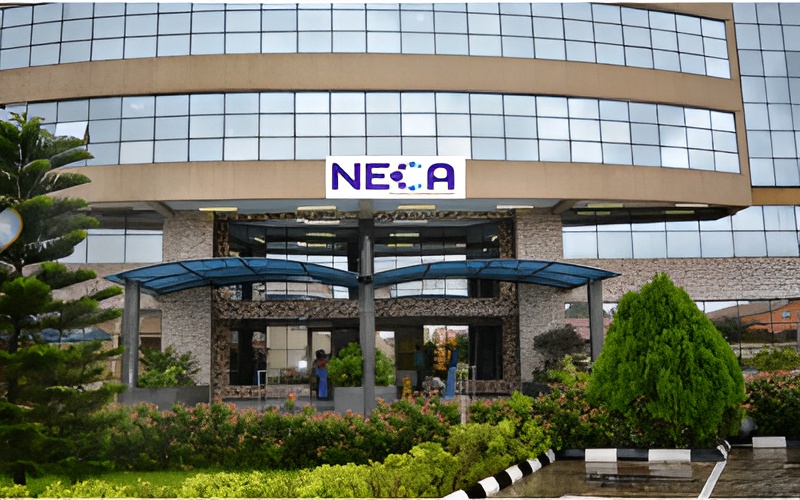
The policy, known as the Nigerian Industrialisation Policy, was unveiled on Thursday in Lagos by the Minister of State for Industry, Senator John Enoh, during the presentation of the Nigerian Economic Summit Group (NESG) Macroeconomic Outlook Report for 2026.
Speaking at the event, Senator Enoh said the policy was designed to stimulate industrial growth, reduce Nigeria’s dependence on raw material exports, and boost employment nationwide. Approved in 2025, the policy is expected to raise manufacturing’s contribution to the economy to between 20 and 25 per cent by 2030, a development he said would generate more productive jobs and strengthen workforce demand.
The minister described the policy as a coordinated framework linking industrialisation with trade and investment, with the aim of translating Nigeria’s industrial potential into measurable productivity gains and employment opportunities.
According to him, the policy aligns with President Bola Tinubu’s eight-point national agenda, particularly Agenda Seven, which focuses on economic diversification and industrial development.
“Over the last year, discussions about industrialisation have become more public,” Senator Enoh said.
“This policy was shaped with industry, not for industry, to ensure that every Nigerian has a stake and that implementation is front and centre.”
He explained that the policy rests on six pillars: competitive industrial production; deepening value chains; import substitution; supporting the transition of micro, small and medium-sized enterprises (MSMEs) into industrial scale; improving trade under the African Continental Free Trade Area (AfCFTA); and strengthening institutional governance.
“These pillars are designed to address Nigeria’s long-standing challenges, such as fragmented value chains, high import dependence, and limited manufacturing capacity,” he said.
Senator Enoh added that the policy is aimed at significantly increasing manufacturing’s share of Nigeria’s economy by 2030. He cited the recent temporary ban on raw shea nut exports as an example of the need for value addition and clearer regulatory frameworks.
The minister stressed that implementation had already begun. “We did not produce a policy just to admire it,” he said.
“A small committee is already working on implementation, because what matters most is turning strategy into jobs, productivity, and employment.”
He also highlighted Nigeria’s obligations under the AfCFTA, noting that the country must leverage its large domestic market while ensuring it does not become a dumping ground for imported goods.
Senator Enoh assured stakeholders of the Federal Government’s commitment to effective execution, measurable targets, and coordination across key ministries, including trade, investment, finance, energy, skills development, and infrastructure.
He added that the full launch of the policy would take place next month, with President Bola Tinubu expected to preside over the event. According to him, the Ministry of Industry, Trade and Investment will work closely with the NESG to ensure broad stakeholder engagement.
“The question is no longer what the policy is. The question is how we deliver,” Senator Enoh said.
“Nigeria’s industrial future will not be built by chance, but by deliberate policy, disciplined execution, and collective resolve.”