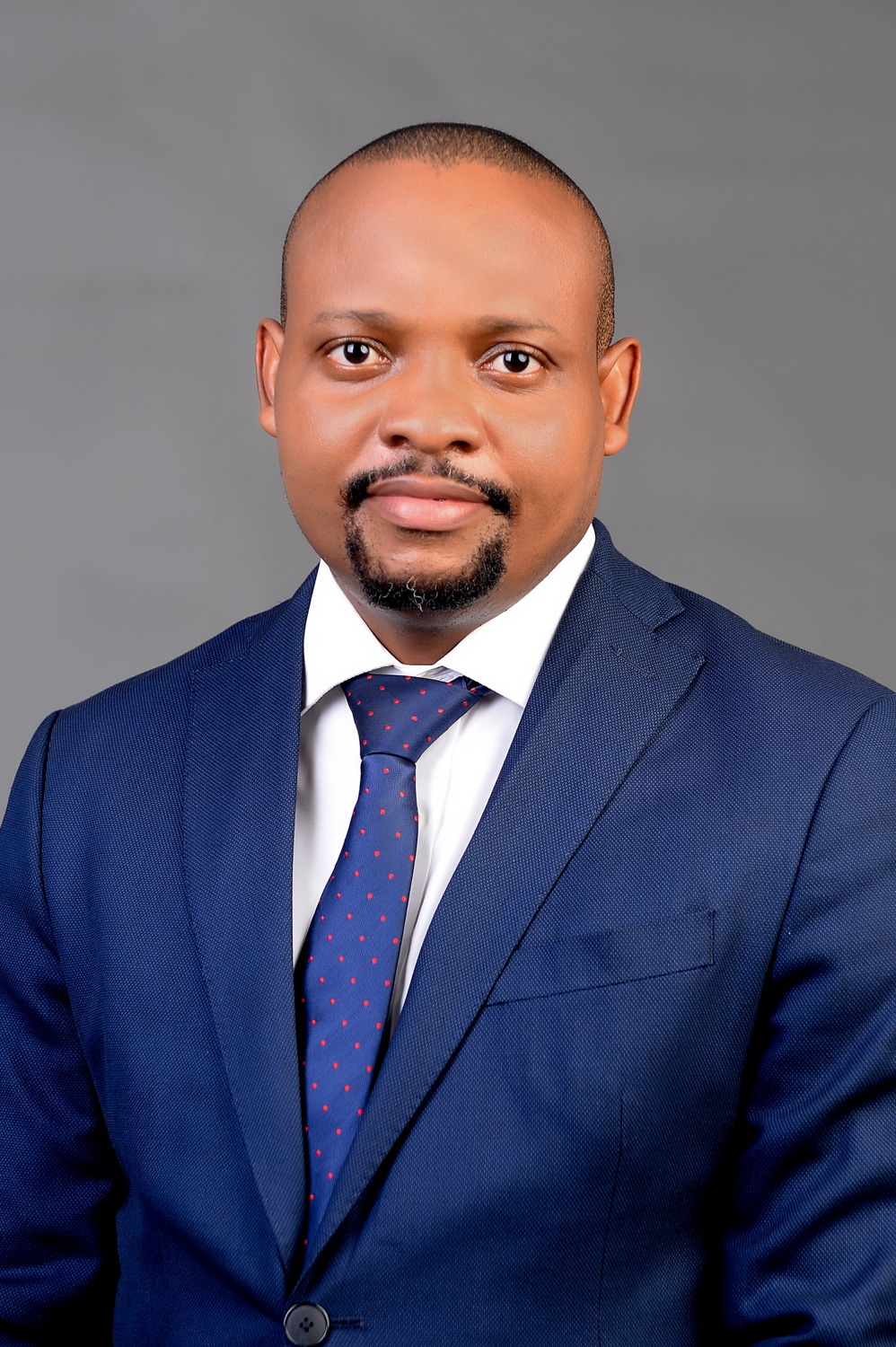
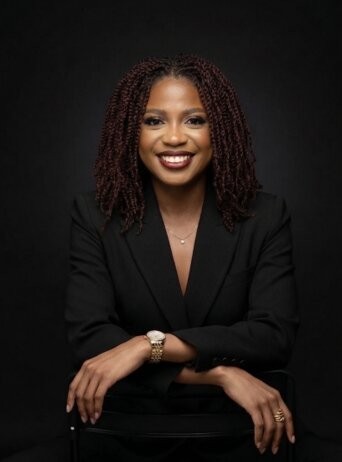
Vivian Nwogu is a certified HR strategist and digital transformation leader with nearly a decade of experience reshaping how organisations attract, develop, and retain talent. A full Member of the Chartered Institute of Human Resources Management (MCIHRM) and holder of an MSc in Digital Transformation from Nexford University, Washington DC, she currently leads Recruitment and Learning & Development at the Development Bank of Nigeria, bringing strategic HR to one of Africa’s most critical financial institutions.
Vivian has built her expertise across six industries; Development Finance, Insurance, Financial Services, Fintech, Consulting, and Energy, giving her a rare, cross-sector lens on workforce strategy, AI integration in HR, and organisational performance. Recognised as a LinkedIn Top Voice in Human Resources (2023) and Global Talent Acquisition (2024). Vivian has also been involved in speaking engagements; the Lagos State Government Ministry of Youth & Development, Royal Gate Career Webinars, and the Career Visibility Club’s LinkedIn Series among others. She brings the same clarity and conviction to every room she enters. When she’s not transforming careers or consulting through her firm, Edena Consulting Limited, Vivian is giving back, most notably through the Big Mann Initiative. She is the kind of HR leader who doesn’t just understand the future of work, she is actively building it.
In this interview with The HR Anchor, Vivian Nwogu discusses the evolving role of HR leaders in today’s workplace. She shares insights on leveraging AI in recruitment, building skills-based teams, maintaining human judgment, and preparing HR professionals for the future of work
As a talent acquisition lead and HR generalist, how do you balance the day-to-day demands of recruitment and HR operations with the need to focus on long-term workforce strategy?
This is a very apt question, as it touches on a key challenge many recruitment experts face which is how to remain intentional about meeting KPIs, managing daily operational tasks, and driving strategic goals. I, particularly, address this by automating my processes. Each quarter, I set a goal to identify at least one process that can be improved, and I achieve this by partnering with my IT team to drive automation. For example, my organization is big on innovation and forward thinking, with a strong digital strategy focused on automating operational processes across the bank. We automate repetitive tasks which then free up time to focus on workforce planning, talent pipeline development, and other strategic initiatives, ensuring that strategy is not sidelined by operations. Ultimately, it’s about working smarter on execution while staying disciplined about long-term impact.
There is a growing shift towards skill-based and outcome-driven teams. How is this changing the way you approach hiring and talent management?
Interestingly, when hiring, I position to attract high-potential talent by shifting my focus from job titles to capabilities and impact. While ensuring that traditional credentials are met for certain roles, my major priority is given to the real, visible impact demonstrated through candidates when going through our competency-based assessments. When hiring for technical roles, practical tests are included to assess competence. In terms of talent management, the focus is on investing in upskilling staff, implementing succession planning frameworks, and ensuring that employees are involved in internal projects regardless of their roles or departments so that they can deliver maximum value. For example, in my organization, we drive innovation by hosting an annual innovation challenge where staff can identify colleagues to partner with, collaborate, and participate in open challenges. In the long run, this drives collaboration, improves innovation, and builds skills.
With AI now supporting tasks like screening and scheduling, how do you decide what should be handled by technology and what still requires human judgment?
While you will agree with me that Artificial Intelligence (AI) is here to stay and that the future will bring even more technological disruption, it is therefore important to point out that I belong to the school of thought that embraces AI in supporting the hiring process. I advise candidates to improve and learn how to use AI tools to tailor their CVs to align with job requirements, especially as most structured organizations now use AI-enabled applicant tracking systems. Without this knowledge, many high-potential candidates risk missing out on opportunities, while recruiters may also overlook strong talent. Finally, we cannot rule out the need for human judgment as it remains critical in areas that require context and empathy, such as assessing a candidate for culture fit, aligning with stakeholders and even making final hiring decisions.
From your experience, what are some of the key challenges HR professionals face when integrating AI into their work, and how can these be managed effectively?
From my experience, some of the key challenges HR faces when integrating AI into their work include skills gaps in the ethical use of AI, advanced prompting, knowing the best AI tools for specific tasks, verifying AI-generated outputs, poor data quality and resistance to change as most HRs are stuck on the old ways of doing things. To address these gaps, HR practitioners should be open to learning how to use AI intentionally and embrace the changing times. Agility and critical thinking are more important than ever. In addition, AI governance policies should be developed, and all staff should be educated on them. Proper change management is also essential to close these gaps and support adoption.
In today’s fast-changing workplace, what does it take for an HR leader to build credibility and maintain trust within an organization?
Building an effective personal brand that consistently delivers value is key to building credibility and maintaining trust within and even outside an organization. Be known for something valuable and always drive momentum. To maintain trust within an organization, transparency goes a long way. HR must wear the hat of a business consultant, aligning with organizational goals, communicate clearly, and demonstrate both competence and integrity in decision-making.
Looking ahead, what skills should HR professionals, especially in talent acquisition and generalist roles, be developing now to remain relevant and effective?
An Agile mindset is a key skill for any HR professional looking to remain relevant. Also, AI digital literacy, data analytics, excellent stakeholder management, and design thinking. Adaptability and a continuous learning mindset are also critical to staying relevant.